
Where the decanter sits in the mill
FFB are sterilized, threshed, digested and pressed. Press cake (fibre and nuts) goes to the depericarper and kernel line. Pressed liquor is screened, then goes to a three-phase decanter or to CST. The decanter is not a substitute for the whole mill, and it is not the conventional vertical sludge centrifuge used on some CST underflows.
Palm kernel oil is produced in the kernel plant after nut cracking and kernel pressing. It is not sized on the CPO clarification decanter. For models, wear protection and mill quotation, use the palm oil decanter centrifuge page.
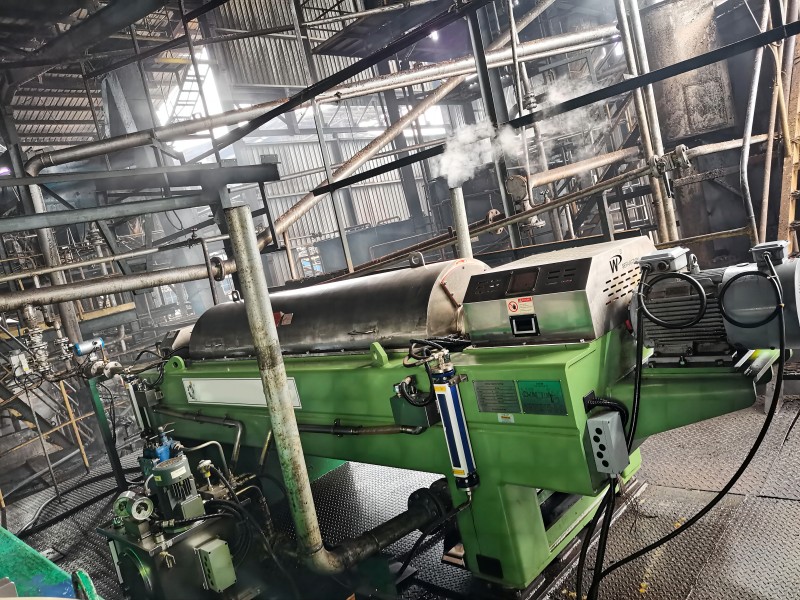
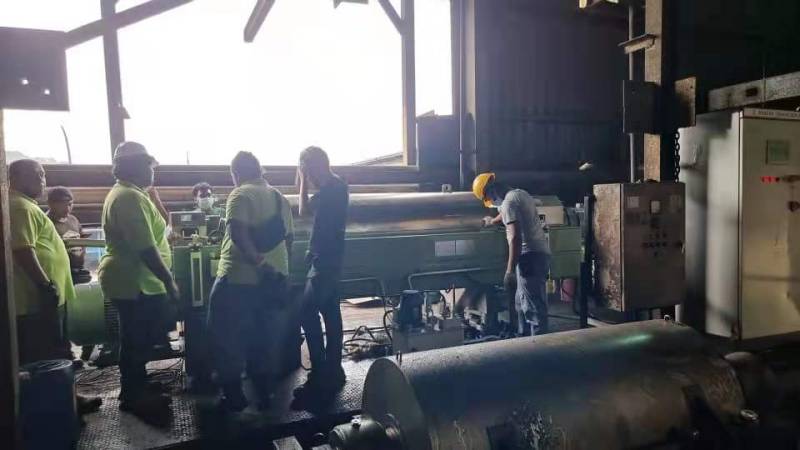
Typical mill clarification workflow
- Reception and sterilization: FFB are received and steam-sterilized so fruit can be threshed from the bunch.
- Digestion and pressing: Fruit is digested and pressed. Pressed liquor contains crude palm oil, water and fine solids. Press cake (fibre and nuts) leaves on the cake side.
- Screening: Coarse fibre is screened from pressed liquor so the stream can feed a three-phase decanter or a conventional CST.
- Three-phase decanter or CST: On whole crude oil after the screen, the decanter discharges oil, water and cake and can replace or reduce CST load. Some mills keep CST and put a three-phase decanter on CST underflow for sludge de-oiling instead.
- Oil finishing: The oil phase goes to the vacuum dryer. The dryer finishes CPO moisture; it does not take whole pressed liquor.
Model selection, hydraulic range and mill quotation are on the palm oil decanter centrifuge page. Send mill FFB rate, process position and feed temperature.