Industrial decanter centrifuge manufacturer
Industrial Decanter Centrifuge
LW 2-phase and LWS 3-phase decanter models with standard bowl diameters from 250 to 800 mm for sludge, oil, wastewater, food and mineral duties.

What Is a Decanter Centrifuge?
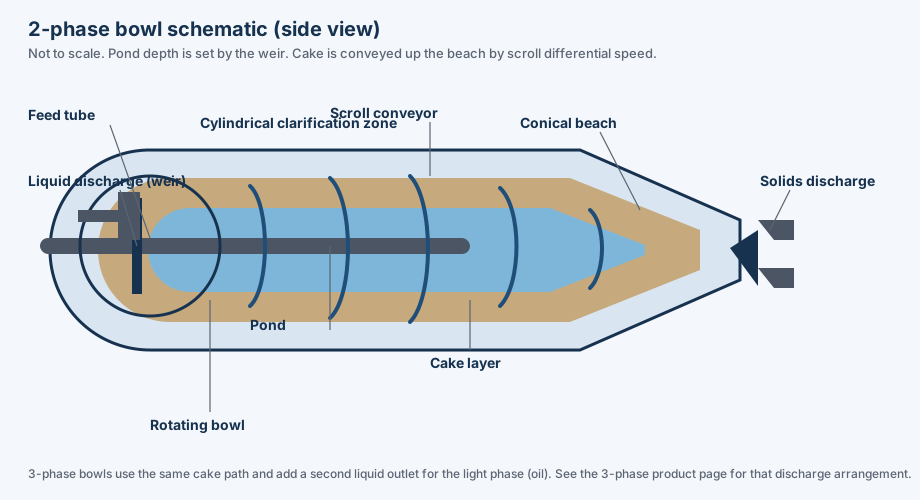
A decanter centrifuge (solid-bowl or horizontal scroll centrifuge) continuously separates suspended solids from a liquid by density difference. Unlike a chamber filter press, feed, centrate and cake can run continuously, with PLC/VFD control for long-duty operation.
ZK SEPARATION builds both 2-phase (solid–liquid) and 3-phase (oil / water / solids) machines. Typical duties: municipal sludge dewatering and thickening, drilling-mud solids control, oily sludge, palm-oil mill press liquor, olive paste, starch and chemical slurries.
Process characteristics
- Continuous operation: Less manual cake handling than a chamber filter press, with operator checks and planned maintenance still required.
- Adjustable setpoints: Bowl speed, differential speed, pond depth and polymer conditioning are set against agreed cake %DS and centrate TSS.
- Footprint: Usually smaller than a filter press or settling tank of similar hydraulic capacity.
- Enclosed bowl: Helps contain odor, aerosol and splash compared with belt presses or other open dewatering equipment.
- VFD / PLC: Torque monitoring and differential-speed control limit scroll overload as feed solids change.
Mechanical options
- Bowl materials: Wetted parts in duplex 2205 or 2304, selected for corrosion, strength and duty. 304/316L where the chemistry allows.
- Wear protection: On abrasive slurries, scroll flights can take tungsten carbide tiles; solids ports ceramic or carbide bushings.
- Pond depth: Adjustable dam plates (weirs) trade clarification area against beach length.
- Baffle disc: Optional on selected soft organic municipal sludges, used with matching pond depth, differential speed and polymer.
2-Phase vs 3-Phase Decanter
The difference is the liquid discharge: one outlet or two. ZK builds both. Pick the family here; a quotation still needs feed data.

Solid–liquid
Separates suspended solids from a single liquid phase. Typical duties: municipal and industrial sludge, starch, food slurries, mining tailings and chemical slurries.
2-phase series →
Oil / water / solids
Separates two immiscible liquids from solids in one pass. Typical duties: oily sludge, tank bottoms, palm-oil mill press liquor and olive paste.
3-phase series →Municipal and industrial sludge dewatering uses the LW sludge centrifuge. Olive mills run 2-phase or 3-phase paste separation on the olive oil centrifuge. Oily sludge and palm-oil mill press liquor use the 3-phase decanter.
Industrial Applications
Duty sets the priority: sludge is usually cake %DS and polymer dose; oil recovery is the light/heavy-phase split; food lines need hygienic wetted parts and CIP.
 2-phase
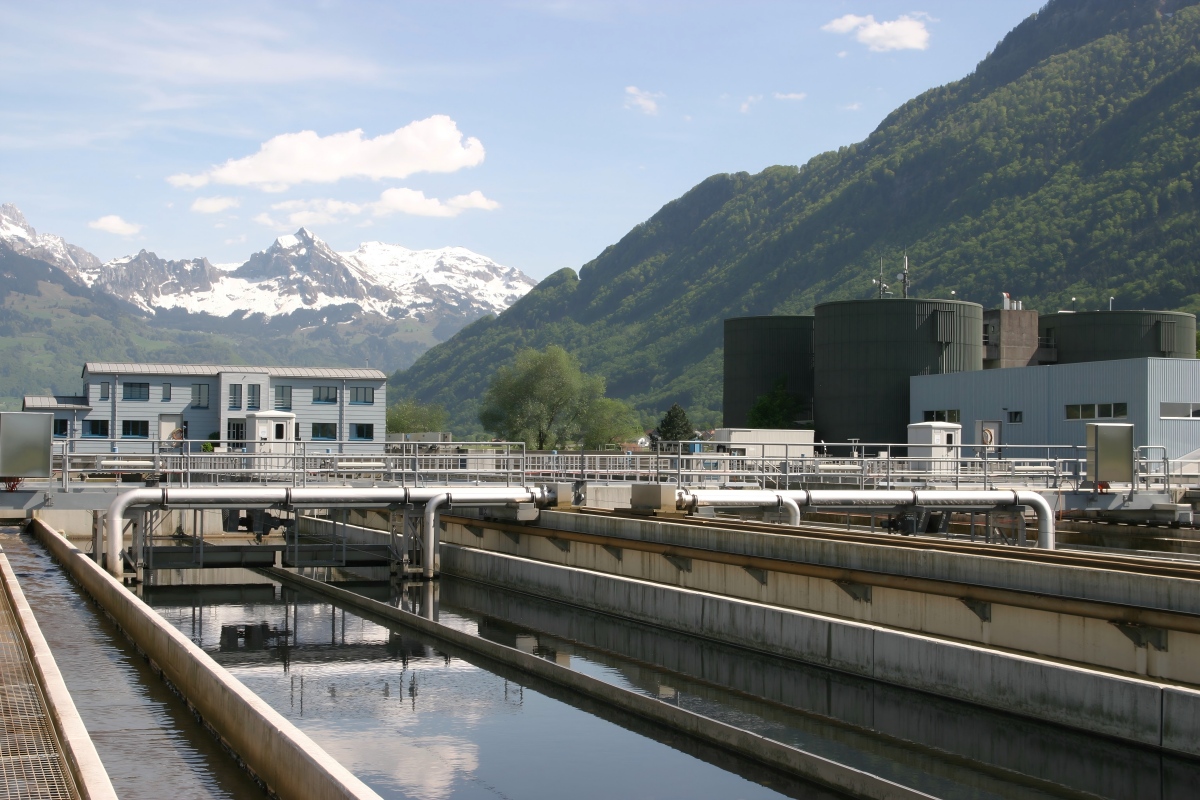
WWTP sludge
2-phase
WWTP sludge
 2-phase
Sludge Dewatering
2-phase
Sludge Dewatering
 2-phase
Drilling Mud / Solids Control
2-phase
Drilling Mud / Solids Control
 2-phase
3-phase
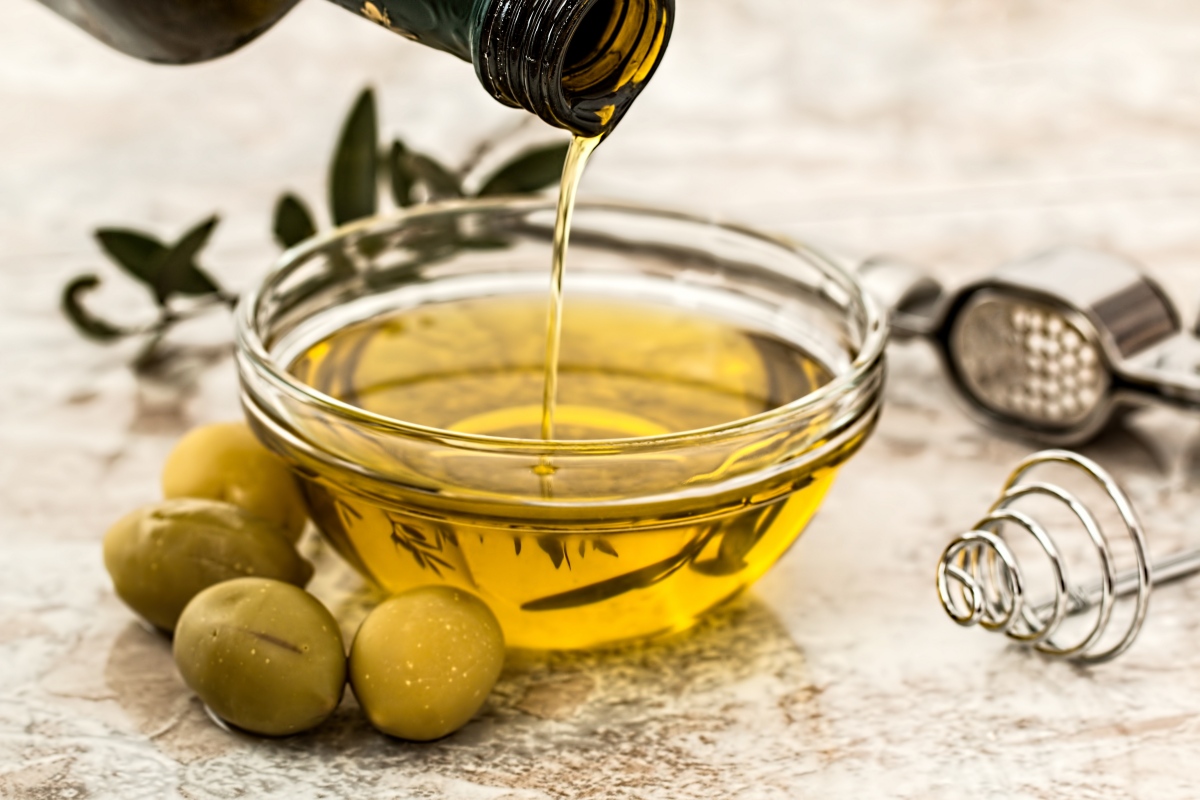
Olive Oil Extraction
3-phase
Oily Sludge Recovery
2-phase
3-phase
Olive Oil Extraction
3-phase
Oily Sludge Recovery
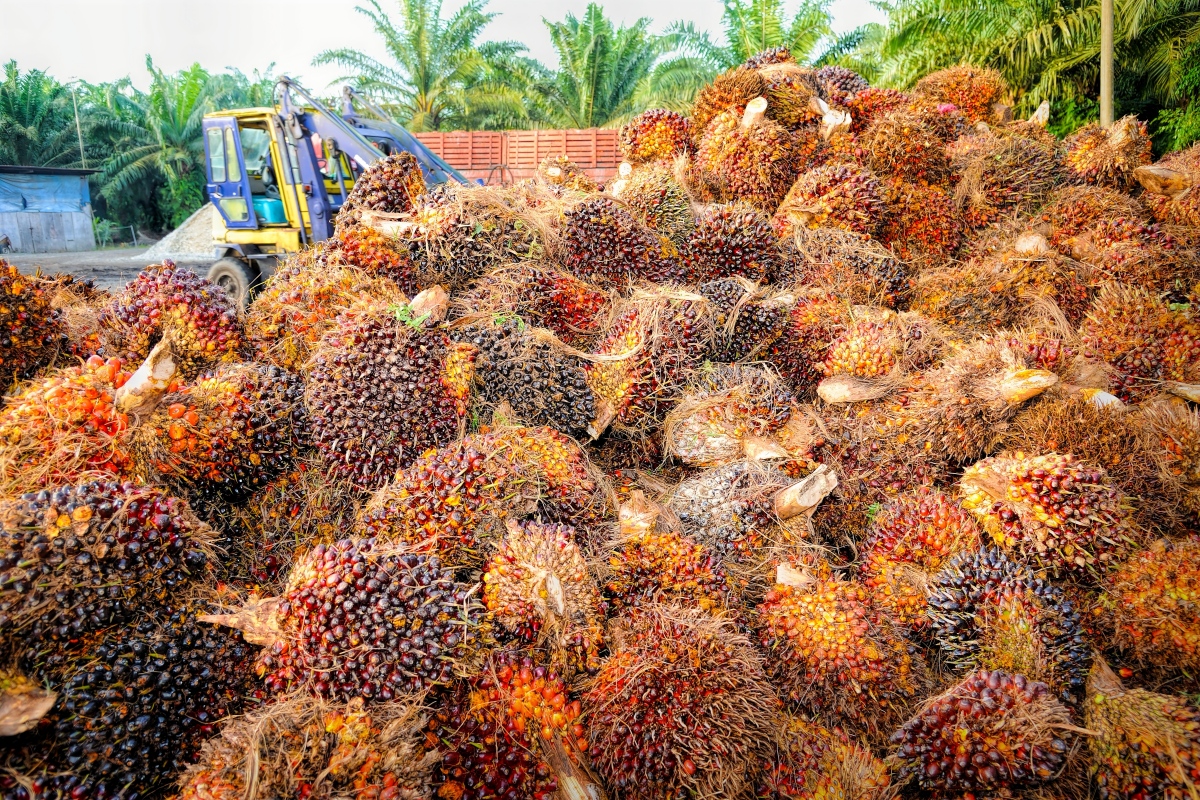 3-phase
Palm Oil Mill
3-phase
Palm Oil Mill
More duties
- Starch separation
- Fly ash dewatering
- Shield tunneling slurry
- Surimi processing
- Algae dewatering
- Avocado oil
- Animal manure
- Cane sugar
- Regenerated fiber
Don't see your application? Send slurry data to ZK engineers for lab screening or a pilot discussion.
Series and Specifications
Standard industrial, sanitary, 3-phase and hazardous-area builds. Size from feed %DS, kg DS/h and the required cake or phase split. On the LW series, hydraulic figures are for typical municipal sludge and can fall on viscous or high-dryness duty.

LW Series
Standard industrial. Municipal and industrial sludge, chemicals and mining slurries.
2-phase series →
LWY Series
Sanitary. Polished 316L or duplex wetted parts, optional CIP and food-grade seals.
Food & sanitary →
LWS Series
3-phase. Oily sludge, food-waste oil, palm-oil mill press liquor and olive paste.
3-phase series →
LWF Series
Hazardous-area builds with explosion-protected electrics and optional nitrogen inerting.
Request this build →ZK Decanter Centrifuge Technical Specifications
Select a model tab for speed, power, dimensions and typical hydraulic range.
Swipe the table sideways to compare models.
Standard Industrial Decanter Centrifuge Specifications (LW Series)
| Model | Bowl Speed (RPM) | G-force (× g) | Main Motor (kW) | Back Drive Motor (kW) | Typical capacity (m³/h) | Weight (kg) | Dimensions (L × W × H mm) |
|---|---|---|---|---|---|---|---|
| LW250×1025 | 4500 | 2835 | 11 | 4 | 2 – 5 | 1400 | 2600 × 800 × 1200 |
| LW350×1435 | 3500 | 2435 | 15 – 22 | 5.5 | 4 – 15 | 2760 | 3750 × 1040 × 1350 |
| LW450×1845 | 3200 | 2580 | 30 – 37 | 7.5 – 11 | 10 – 40 | 4000 | 4200 × 1140 × 1450 |
| LW520×2150 | 3000 | 2620 | 55 – 75 | 11 – 15 | 15 – 70 | 6300 | 5050 × 1285 × 1550 |
| LW580×2400 | 2800 | 2546 | 75 – 90 | 15 – 18.5 | 25 – 80 | 7550 | 5600 × 1400 × 1655 |
| LW650×2600 | 2600 | 2460 | 90 – 110 | 22 – 30 | 30 – 90 | 11000 | 6000 × 1550 × 1800 |
| LW750×2800 | 2200 | 2033 | 110 – 160 | 30 – 45 | 40 – 100 | 16000 | 6600 × 1800 × 2000 |
Food & Beverage Industry Decanter Centrifuge (LWY Series)
| Model | Bowl Speed (RPM) | G-force (× g) | Main Motor (kW) | Back Drive Motor (kW) | Typical capacity (m³/h) | Weight (kg) | Dimensions (L × W × H mm) |
|---|---|---|---|---|---|---|---|
| LWY250×1025 | 5000 | 3500 | 11 | 4 | 1 – 3 | 1400 | 2600 × 800 × 1200 |
| LWY350×1435 | 4000 | 3136 | 22 | 5.5 | 3 – 5 | 2760 | 3750 × 1040 × 1350 |
| LWY450×1845 | 3500 | 3087 | 30 | 7.5 | 5 – 10 | 4000 | 4200 × 1140 × 1450 |
| LWY520×2150 | 3200 | 2982 | 45 | 15 | 10 – 15 | 6300 | 5050 × 1285 × 1550 |
| LWY580×2400 | 3000 | 2948 | 55 / 75 | 18.5 | 15 – 20 | 7550 | 5600 × 1400 × 1655 |
| LWY650×2600 | 2800 | 2854 | 75 / 90 | 22 | 20 – 30 | 11000 | 6000 × 1550 × 1800 |
3-Phase Food-Waste Oil Recovery (LWS Series)
| Model | Bowl Speed (RPM) | G-force (× g) | Main Motor (kW) | Back Drive Motor (kW) | Typical capacity (m³/h) | Weight (kg) | Dimensions (L × W × H mm) |
|---|---|---|---|---|---|---|---|
| LWS250×1025C(X) | 5000 | 3500 | 11 | 4 | 1 – 3 | 1400 | 2600 × 800 × 1150 |
| LWS350×1435C(X) | 4000 | 3136 | 22 | 5.5 | 3 – 5 | 2750 | 3500 × 1280 × 1058 |
| LWS450×1845C(X) | 3500 | 3087 | 30 | 11 | 6 – 12 | 4000 | 4000 × 1350 × 1100 |
| LWS520×2150C(X) | 3200 | 2982 | 45 | 15 | 10 – 15 | 6300 | 4800 × 1540 × 1250 |
| LWS580×2400C(X) | 3000 | 2948 | 55 – 75 | 18.5 | 15 – 20 | 7550 | 4900 × 1705 × 1250 |
| LWS650×2600C(X) | 2800 | 2854 | 75 – 90 | 22 | 20 – 30 | 11000 | 5900 × 1865 × 1300 |
Fly Ash & Mineral Slurry Decanter Centrifuge (LWB Series)
| Model | Bowl Speed (RPM) | Bowl Diameter (mm) | Main Motor (kW) | Back Drive Motor (kW) | Typical capacity (m³/h) | Weight (kg) | Dimensions (L × W × H mm) |
|---|---|---|---|---|---|---|---|
| LW450×1845B | 3200 | 450 | 37 | 15 | 10 – 15 | 4000 | 4000 × 1350 × 1100 |
| LW520×2150B | 2800 | 520 | 55 | 18.5 | 25 – 30 | 6300 | 4800 × 1540 × 1250 |
| LW580×2400B | 2600 | 580 | 75 | 22 | 30 – 35 | 7550 | 4900 × 1705 × 1250 |
| LW650×2650B | 2400 | 650 | 90 | 30 | 40 – 50 | 11000 | 5900 × 1865 × 1300 |
Explosion-Proof Decanter Centrifuge Specifications (LWF Series)
| Model | Bowl Speed (RPM) | G-force (× g) | Main Motor (kW) | Back Drive Motor (kW) | Typical capacity (m³/h) | Weight (kg) | Dimensions (L × W × H mm) |
|---|---|---|---|---|---|---|---|
| LWF250×1025C | 5000 | 3500 | 11 | 4 | 1 – 3 | 1250 | 2800 × 800 × 1150 |
| LWF350×1435C | 4000 | 3136 | 22 | 5.5 | 4 – 8 | 3200 | 3800 × 1050 × 1200 |
| LWF450×1845C | 3400 | 2913 | 37 | 11 | 8 – 12 | 3900 | 4800 × 1150 × 1450 |
| LWF520×2150C | 3200 | 2982 | 55 | 15 | 15 – 18 | 6000 | 5400 × 1250 × 1600 |
| LWF580×2400C | 3000 | 2923 | 75 | 22 | 20 – 25 | 7800 | 5900 × 1400 × 1700 |
| LWF650×2650C | 2800 | 2854 | 110 | 30 | 25 – 35 | 11500 | 6500 × 1650 × 1800 |
| LWF750×3200C | 2200 | 2033 | 132 | 45 | 45 – 55 | 15200 | 7500 × 1600 × 1800 |
| LWF800×3200C | 2000 | 1792 | 132 | 55 | 50 – 60 | 14500 | 4900 × 3000 × 1600 |
Materials, wear protection and drive
- Bowl Materials & Fabrication: Duplex 2205/2304 and 316L options are selected by duty; material certificates, weld procedures, heat treatment, and dynamic-balancing records can be supplied according to the agreed inspection plan.
- Helical Scroll Flight Protection: Replaceable sintered tungsten carbide tiles, PTA hardfacing, or ceramic inserts selected to feed grit level.
- Bearings and lubrication: SKF/NSK heavy-duty bearings with automatic grease or circulating-oil lubrication, as specified for the machine.
- Dual VFD Drive Systems: Independent bowl and back-drive inverters allow differential speed to be adjusted during operation on dual-drive machines.
Need a custom bowl size up to 1000 mm or specialized skid packaging? Availability depends on the application, materials, and design conditions. Contact our technical team or review ZK's OEM Manufacturing Capabilities.
How It Works
Feed enters the rotating cylindrical–conical bowl through a stationary feed tube. Centrifugal acceleration throws denser solids to the bowl wall. Liquid leaves over the dam plate as centrate; the scroll conveys cake up the beach to the solids ports. A 3-phase bowl forms two liquid layers and adds a second liquid outlet.
- Feed and acceleration Slurry is distributed in the feed zone. Bowl speed sets G-force; compact bowls can reach about 3,500 × g.
- Pond and settling Dam plates set pond depth. A deeper pond increases residence time for fines; a shallower pond lengthens the dry beach for cake %DS.
- Scroll differential The helical scroll turns at a small speed difference — typically about 1–30 RPM — set by the back drive. Dual-VFD machines raise differential speed under high torque.
- Discharge Cake leaves the solids ports. Centrate overflows the weir. On 3-phase bowls the light phase leaves through a second outlet. Carbide port protection is fitted on abrasive duties.
Formulas and mechanical detail: How a Decanter Centrifuge Works. Oil/water/solids machines: 3-phase decanter.
Model Selection Criteria
Size on both hydraulic flow (m³/h) and dry-solids load (kg DS/h). Flow alone can undersize the gearbox and overload the scroll. Send feed data so bowl diameter and wear package can be checked.
| Parameter | Duty data to confirm | Effect on selection |
|---|---|---|
| Bowl Diameter (D) | Required volumetric throughput, solids loading (kg DS/h), floor space | Influences settling volume, solids-handling capacity, torque requirements, and installed power. Achievable separation factor depends on both bowl radius and operating speed. |
| Length-to-Diameter Ratio (L/D) | Target centrate quality, cake %DS, residence time | Ratios of about 3.0:1 to 4.2:1 are typical on ZK industrial bowls, balancing liquid residence time against beach dewatering length. |
| G-force (separation factor) | Particle size distribution, density difference, liquid viscosity | Higher G-force can improve settling of fine or flocculated solids, but results also depend on particle size, density difference, viscosity and residence time. See separation factor. |
| Solids Loading (kg DS/h) | Feed DS% / TSS concentration, peak solids surge, daily operating hours | Sets gearbox torque demand (N·m) and back-drive motor size. High-solids feeds need enough conveyor torque; ZK commonly uses dual-VFD control so differential speed can be raised under high torque. |
| Wetted Materials | Feed pH, chloride concentration, corrosion profile, sanitary standards | Options include 304/316L for suitable general or sanitary duties, duplex 2205/2304 for improved strength and chloride resistance, and super-duplex or titanium for selected aggressive chemistries after corrosion review. |
| Wear Protection | Sand/grit content, quartz/mineral hardness (Mohs), slurry abrasiveness | Scroll flights can be protected with PTA or HVOF hardfacing, sintered tungsten carbide tiles, or ceramic liners to extend maintenance intervals. |
| Drive & Control | Main motor load, back drive torque, PLC system, remote SCADA integration | Independent bowl and back-drive VFDs with a project-specified PLC (commonly Siemens or ABB) allow differential speed to be raised under high torque, reducing the risk of scroll overload during feed spikes. |
| Hazardous-area design | ATEX / IECEx zone classification, volatile solvents, hydrocarbon vapors | Hazardous-area packages are engineered to the specified zone, gas group, temperature class, and local standard. Explosion-protected motors, monitoring, nitrogen inerting, or purge systems are supplied where required by the project hazard assessment. |
Decanter vs Filter Press and Disc-Stack Separator
Choice depends on whether the plant needs continuous throughput, how much solids the feed carries, polymer use and labor.
| Evaluation Factor | Decanter Centrifuge | Filter Press | Disc-stack separator |
|---|---|---|---|
| Best Application Fit | Continuous solid-liquid separation and sludge dewatering with moderate-to-high solids feed | Batch cake dewatering where higher cake-solids concentration is prioritized over continuous operation | High-clarity liquid-liquid-solid separation with low feed solids content (<3%) |
| Feed Solids Tolerance | Wide range (typically about 0.5% to 15% feed DS; higher-solids duties require confirmation of slurry rheology and torque loading) | Moderate (1% to 15%), subject to filter cloth blinding | Low (typically below 1% to 3%, depending on separator design and discharge cycle) |
| Operation Mode | Continuous automated operation with operator supervision and planned maintenance | Batch cycle operation (filling, pressing, cake release, cloth washing) | Continuous liquid flow with automated partial/full solids ejection |
| Footprint & Installation | Compact footprint, skid-mounted options with pre-wired controls | Large footprint, requires plate shifters and drip tray space | Extremely compact vertical footprint |
| Maintenance Requirements | Planned bearing lubrication and wear tile replacement | Filter cloth cleaning, high-pressure washing, and hydraulic seal service | Complex bowl disc stack cleaning and precision seal replacement |
For detailed engineering comparison articles, read Decanter Centrifuge vs Filter Press and Decanter Centrifuge vs Disc Stack Separator.
Design Features for Continuous Duty
Operating speed, drive power, wear protection and maintenance provisions are selected for the application.
Automated PLC & VFD Control
Siemens or ABB PLC with HMI, as specified for the project, can monitor scroll torque, vibration, bearing temperature, and bowl speed. Differential-speed control is used to limit scroll overload during feed surges.
Scroll and discharge geometry
Flight pitch and feed-zone geometry are chosen to limit pond turbulence, so flocs are less likely to break on conditioned feeds.
Baffle disc
On municipal WAS and digestate, an optional baffle disc can improve beach dewatering when pond depth, differential speed and polymer match the feed.
Tungsten carbide wear protection
On abrasive duties, scroll flights, feed-zone liners, and solids-discharge bushings can be fitted with tungsten carbide tiles and ceramic components. The package is selected from mineral hardness, particle size, and solids loading.
Why ZK SEPARATION
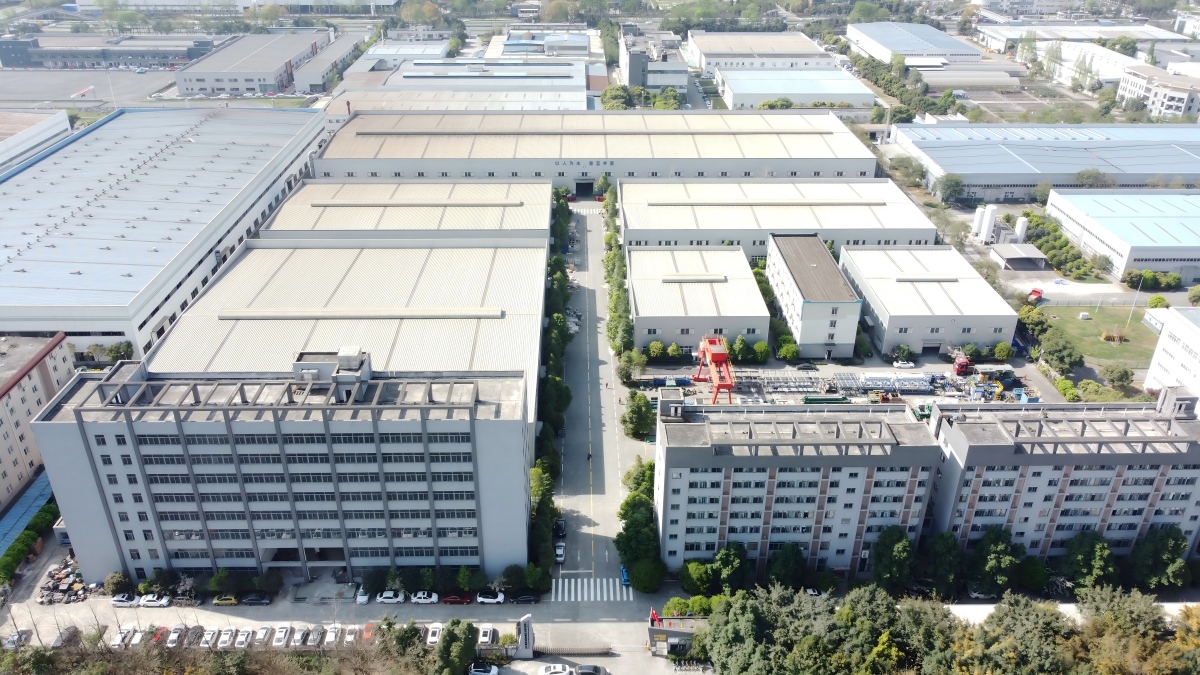
From feed samples and model selection through skid design, factory tests, commissioning and spare-parts planning. Configuration and performance targets follow the customer's process data.
- 2-phase and 3-phase lines: Standard bowls 250–800 mm; selected custom designs to 1000 mm.
- In-house machining and balancing: Inspection and balance records against the agreed manufacturing standard.
- Skid packages: Pre-wired, pre-piped skids or container units.
- Spares: Wear-part and critical-spare lists for the selected model and duty.
- Patents: Documents available for project review on request.
Total Cost of Ownership and Maintenance
Purchase price is only part of lifecycle cost. Power, polymer dose, wear parts and unplanned downtime usually dominate over a 10-year-plus service life.
Power and polymer
- Dual-VFD Process Control: Independent bowl and back-drive control enables differential-speed adjustment and torque limiting. Regenerative-capable drive topologies are available where specified.
- Baffle disc and pond depth: Can improve cake solids and polymer use on some sludges; confirm on the actual feed. See polymer selection for sludge dewatering.
- Solids capture: When polymer and setpoints match the feed, higher capture reduces recycle of fines to plant headworks.
Preventive Maintenance & Spare Parts
- Key Inspection Areas: Periodic inspection of scroll tiles, discharge bushings, the feed zone, and main SKF/NSK bearings.
- Vibration and temperature monitoring: Where fitted, sensors support planned inspection when vibration or bearing temperature rises.
- Wear parts: Tile kits, discharge bushings and seals are supplied for the selected model and duty. See the decanter maintenance guide.
Technical Notes
Working principle, sizing and equipment comparison.
Selected Installations
Wastewater, oily sludge, food-waste oil and olive-oil mill projects.
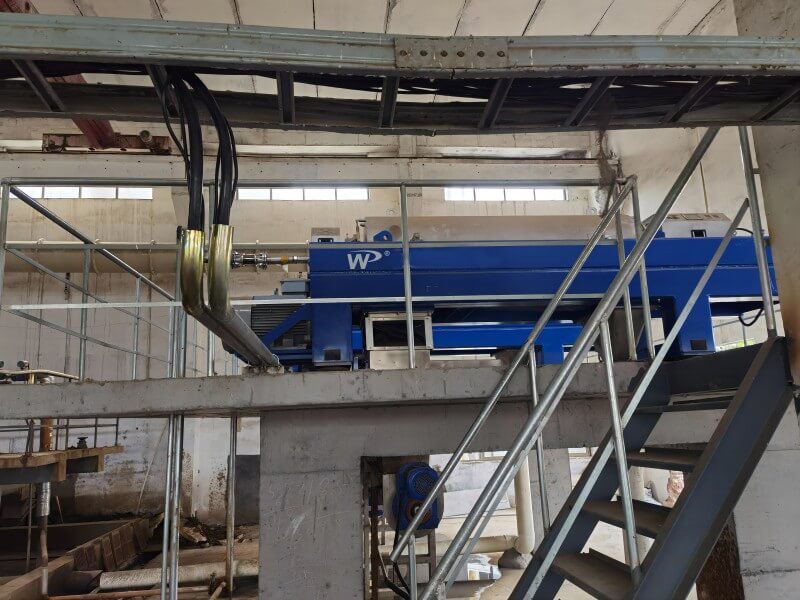 Industrial Wastewater Treatment
Continuous solids removal and sludge dewatering for an industrial manufacturing park.
Industrial Wastewater Treatment
Continuous solids removal and sludge dewatering for an industrial manufacturing park.
 Refinery Oil Sludge Recovery
3-phase decanter recovering oil from refinery lagoon sludge.
Refinery Oil Sludge Recovery
3-phase decanter recovering oil from refinery lagoon sludge.
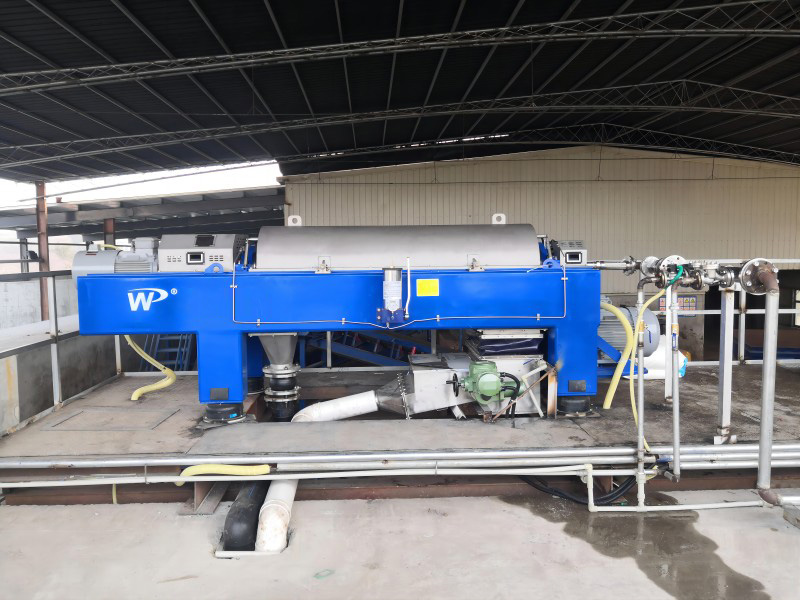 Food Waste Oil Recovery
Continuous 3-phase separation recovering waste lipids for biodiesel feedstock.
Food Waste Oil Recovery
Continuous 3-phase separation recovering waste lipids for biodiesel feedstock.
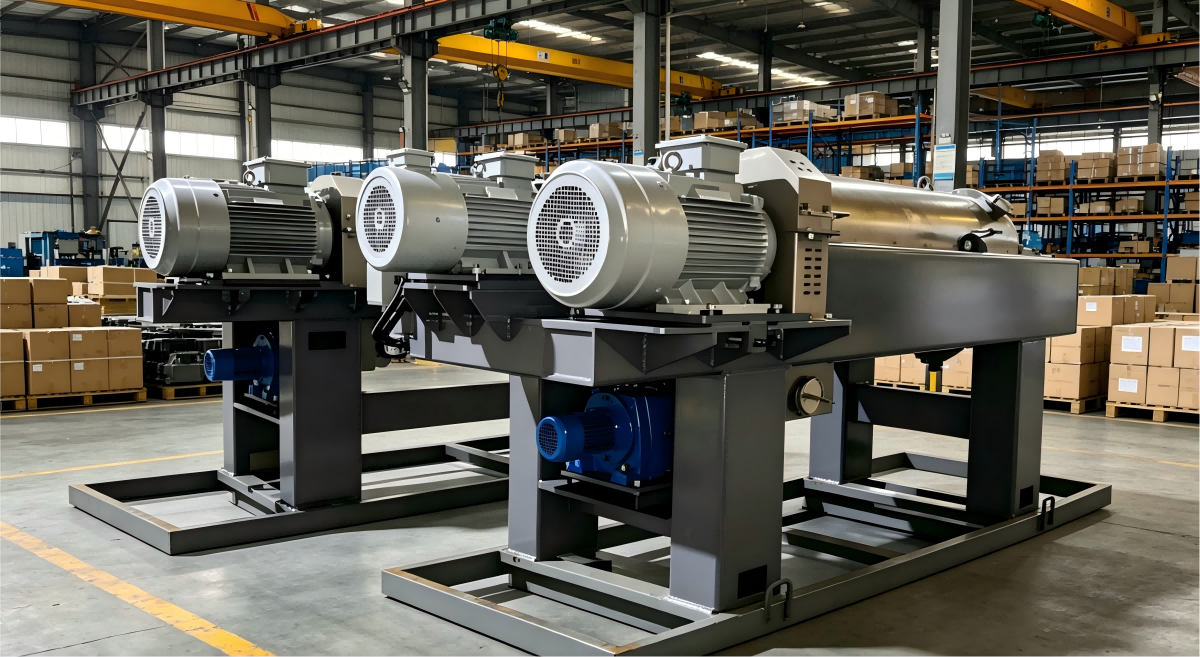 Olive Oil Extraction Plant
LWS350 and LWS450 3-phase decanters delivered to an Italian olive-oil mill.
Olive Oil Extraction Plant
LWS350 and LWS450 3-phase decanters delivered to an Italian olive-oil mill.
Request a quotation
Send company contact and feed data. Engineers size the bowl from that duty sheet.
Frequently Asked Questions
Sizing, materials, maintenance and purchasing questions from process and procurement teams.
What parameters should I provide for an accurate decanter centrifuge quote?
Use the inquiry form on this page, or send: 1) feed material, 2) flow rate (m³/h), 3) feed solids (DS% or TSS g/L), 4) particle size or slurry temperature, 5) target cake dryness and centrate quality, and 6) any ATEX or CIP requirement.
How is decanter centrifuge capacity (m³/h vs kg DS/h) determined?
Decanter capacity is determined by both volumetric liquid flow rate (m³/h) and dry solids throughput (kg DS/h). A machine sized only for 10 m³/h of dilute 1% slurry can overload the scroll and gearbox if feed solids rise to 5%. ZK checks both volumetric and mass loading before recommending bowl diameter.
What operating factors control cake %DS and solids recovery?
Cake-solids concentration and solids recovery depend on feed properties, polymer conditioning, bowl speed, differential speed, pond depth, residence time, and scroll torque. During commissioning, these parameters are tuned against agreed cake-solids and centrate-TSS targets; achievable performance is application-dependent.
What wetted materials are available for corrosive or abrasive slurries?
Wetted-component options include 304/316L for suitable general or sanitary duties and duplex 2205/2304 for improved strength and chloride resistance. Super-duplex or titanium may be specified for selected aggressive chemistries after reviewing chloride level, pH, temperature, and other corrosion factors. Wear zones can be protected with tungsten carbide or ceramic components.
What routine maintenance is required for decanter centrifuges?
Operators routinely check bearing temperature, vibration, scroll torque, lubrication condition, and separation performance. Lubrication intervals depend on the bearing system, bowl speed, operating hours, and model; gearbox oil and wear components should be serviced according to the supplied O&M manual. Review our complete Decanter Maintenance Guide.
What is the expected operating service life of a ZK decanter centrifuge?
Service life depends on operating hours, feed abrasiveness and corrosivity, loading, maintenance quality, and timely replacement of wear parts. With appropriate preventive maintenance and planned overhauls, the machine can remain in service for many years; the recommended service plan is defined for each model and duty.
Can ZK decanter centrifuges handle highly abrasive grit or mining tailings?
Yes. For abrasive slurries containing sand, quartz, fly ash, or drilling mud, ZK can fit replaceable tungsten carbide tiles on scroll flights, ceramic or carbide feed-zone liners, and carbide-protected solids-discharge ports. The protection package is selected according to mineral hardness, particle size, and expected solids loading.
What site utilities are required prior to decanter installation?
Once a model is selected, the site typically prepares: 1) a foundation or steel skid rated for operating dynamic loads, 2) the specified three-phase electrical supply (commonly 380–480 V, 50/60 Hz), 3) feed-pump and polymer-dosing connections, 4) cake hopper or conveyor clearance, 5) wash or flush water, plus CIP where the hygienic design requires it, and 6) control cabling to the VFD/PLC cabinet.
What is the difference between a 2-phase and a 3-phase decanter centrifuge?
A 2-phase decanter separates solids from one liquid phase, discharging cake and centrate. A 3-phase decanter separates two immiscible liquids (for example light oil and heavy water) plus solids in one continuous step. See the 2-phase and 3-phase product pages.
What is the difference between a decanter centrifuge and a disc stack centrifuge?
Decanter centrifuges use a horizontal bowl and scroll conveyor for continuous separation of feeds that typically contain about 0.5% to 15% solids, subject to slurry rheology and torque limits. Disc stack centrifuges use vertical conical discs for fine clarification or liquid separation and typically require lower feed-solids concentrations, often below 1% to 3% depending on separator design and discharge cycle. Learn more in Decanter vs Disc Stack Separator.
How much does an industrial decanter centrifuge cost?
Decanter centrifuge pricing depends on bowl size, installed power, wetted materials, wear protection, hazardous-area requirements, automation, and skid scope. Hydraulic flow and dry-solids loading set the configuration, so ZK quotes against a project duty sheet rather than a list price. Use the inquiry form on this page.