
Orange Juice Production: Efficient Pulp-Juice Separation
ZK SEPARATION Decanter Centrifuges Enable High-Throughput Processing for Concentrated Juice Production
Project Background
A food and beverage company processes fresh oranges for concentrated juice production. Fresh oranges are peeled to obtain the pulp, which is then crushed and de-seeded before being fed into decanter centrifuges. The centrifuges separate the pulp residue from the juice. The separated juice goes through concentration processes before entering the beverage production line.
Customer Challenges
- High processing volumes needed during peak harvest periods
- Efficient pulp-juice separation to maximize juice recovery
- Consistent separation quality for downstream concentration equipment
- Food-grade equipment requirements for direct juice contact
- Continuous operation to match production line capacity
- Minimal downtime for maintenance to avoid production delays
ZK SEPARATION Solution
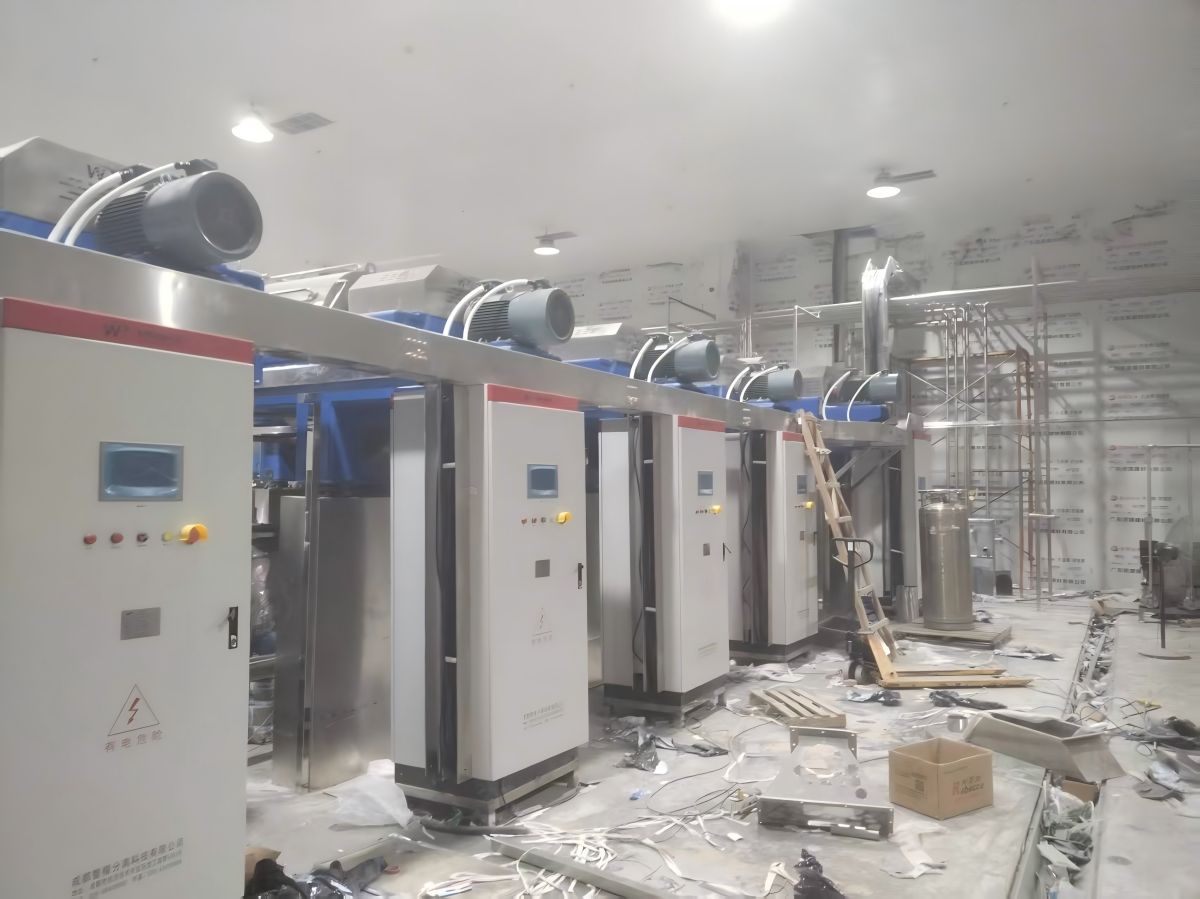
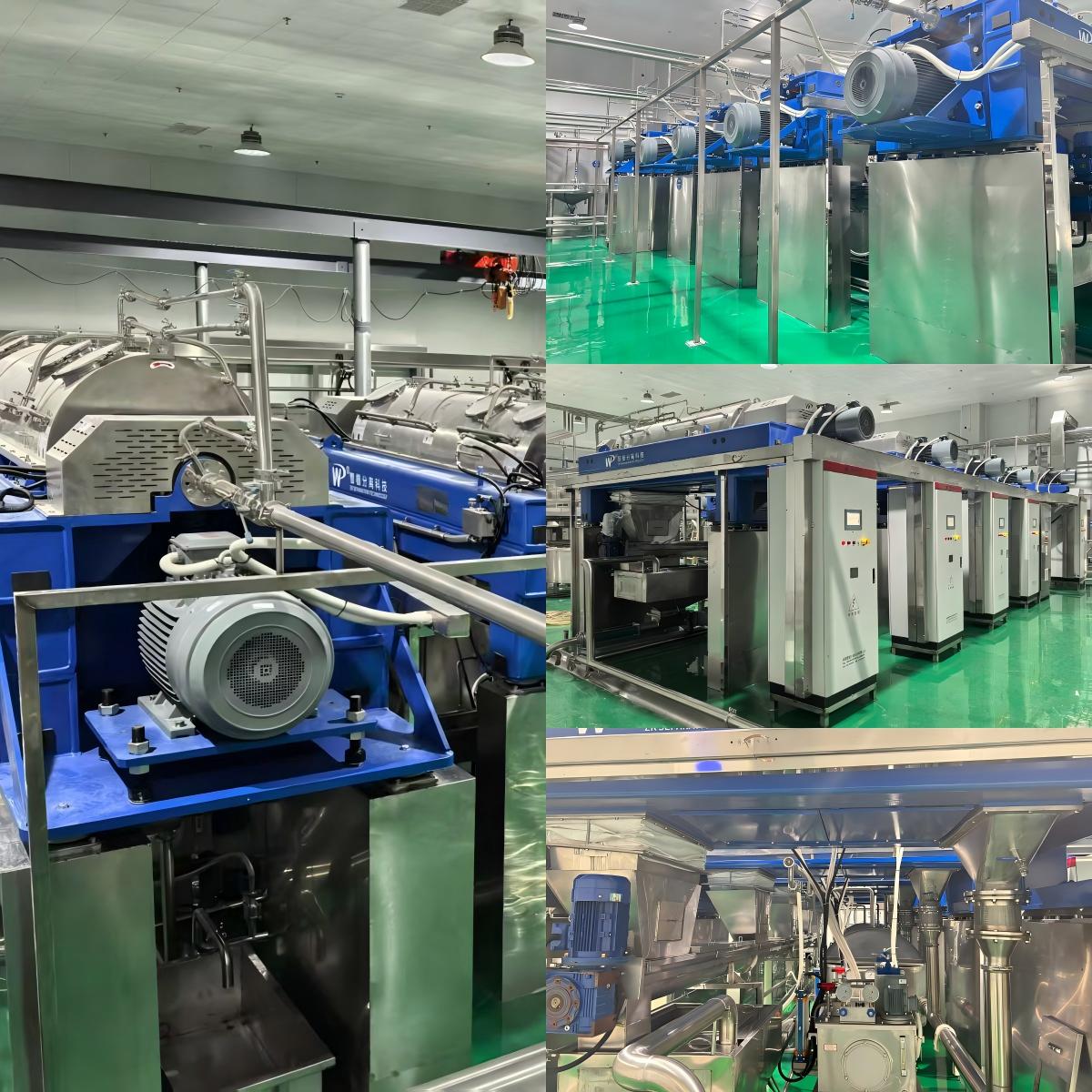
The project uses one LWY650×2650D two-phase decanter centrifuge and four LWY550×2250D two-phase decanter centrifuges. This configuration handles the required processing capacity while maintaining effective separation performance.
Solution Implementation
-
Material Testing & Parameter Setup
Testing orange pulp samples to determine particle size distribution, solids content, and flow properties. Setting bowl speed, differential speed, and feed rate parameters for each unit based on test results
-
Food-Grade Equipment Setup
316 stainless steel for all product-contact parts, with sanitary design including smooth internal surfaces and CIP-compatible connections for juice processing
-
System Integration
Connecting multiple units with feed distribution and coordinated control system to balance load across all units during operation
-
Installation & Startup
Installing during scheduled downtime, then running performance tests and training operators on startup procedures, daily operation, and maintenance tasks
Project Overview
- Customer Industry Food & Beverage
- Application Orange Pulp-Juice Separation
- Equipment Configuration 1× LWY650×2650D + 4× LWY550×2250D
- LWY650×2650D Speed 2800 RPM
- LWY650×2650D Centrifugal Force 2854G
- LWY650×2650D Main Motor 90kW
- LWY650×2650D Back Motor 22kW
- LWY550×2250D Speed 3100 RPM
- LWY550×2250D Centrifugal Force 2900G
- LWY550×2250D Main Motor 55kW
- LWY550×2250D Back Motor 15kW
Processing Results
The decanter centrifuges are running in the production line, processing crushed orange pulp and separating the juice from the pulp residue. The system operates continuously to match the production schedule.
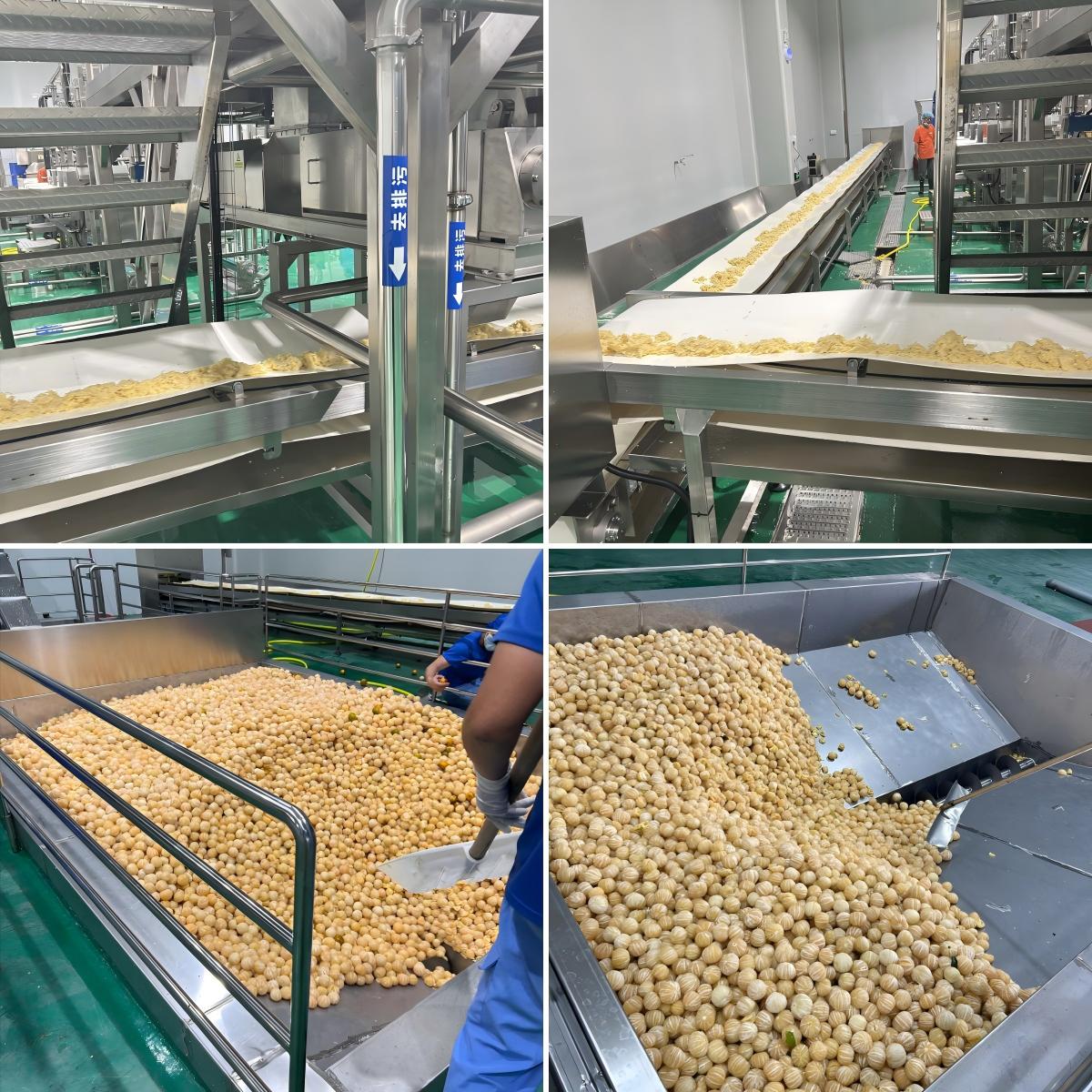
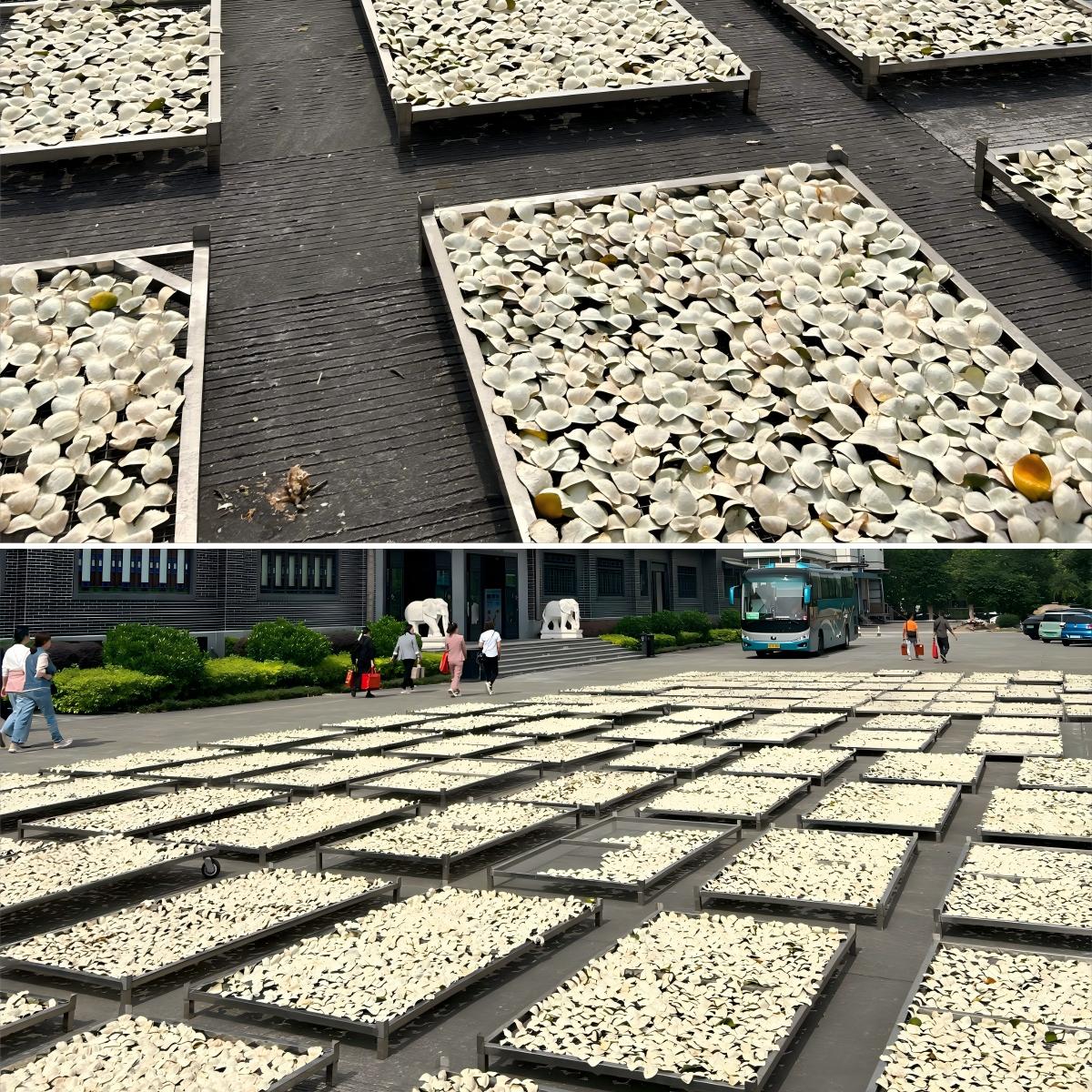
Separation Results
Performance Achievements
- Processing Capacity: The LWY650×2650D handles higher throughput, while the four LWY550×2250D units provide additional capacity. Together they meet the production volume requirements
- Separation Performance: Effective separation of juice from pulp residue. The separated liquid phase is suitable for the downstream concentration process
- Juice Quality: Separated juice quality meets the specifications needed for the concentration equipment
- Operation Stability: Units run continuously during production shifts with stable performance
- Food Safety: Food-grade materials and sanitary design meet juice processing industry standards
- Maintenance Flexibility: With five units total, maintenance can be scheduled without stopping production
Customer Testimonial
"The centrifuges handle our orange processing volumes well. We run the pulp through continuously and get separated juice for our concentration line. The separation stays consistent, which keeps our downstream processes running smoothly. The equipment runs reliably during production shifts, and maintenance is straightforward. Having multiple units means we can schedule maintenance without shutting down production."
— Production Manager, Food & Beverage Company
ZK SEPARATION Technical Advantages
Food Processing Design
316 stainless steel for all product-contact surfaces. Sanitary design with smooth internal surfaces and CIP-compatible connections suitable for juice processing.
Bowl Design
Bowl geometry and screw configuration are set up for fruit pulp materials. Provides enough residence time for effective separation while maintaining the required throughput.
Drive System
Dual-motor setup runs reliably. Independent control of bowl speed and differential speed lets operators adjust separation parameters as needed for different material conditions.
Control System
PLC control with touchscreen interface for setting operating parameters. Monitors torque, vibration, and system performance during operation.
Maintenance
Bowl and screw can be inspected without major disassembly. Wear parts are accessible for scheduled replacement and routine maintenance.
System Configuration
Five-unit setup provides redundancy and flexibility. Allows maintenance scheduling and capacity adjustment to match production needs.