
Used Cooking Oil Recovery from Food Waste
Three-Phase Decanter Centrifuge Enables Efficient Oil Extraction from Collected Food Waste for Fuel and Biofertilizer Applications
Project Background
An environmental technology company processes food waste collected from residential areas. The facility recovers used cooking oil from the incoming waste stream for use as fuel or biofertilizer.
The facility receives mixed food waste from multiple collection routes. The material composition varies—different batches contain different ratios of solids, water, and oil. The process requires separating these three phases efficiently to extract the oil fraction.
Customer Challenges
- Feed moisture and solid content fluctuate depending on collection routes and seasonal variations, making consistent separation difficult
- Oil-water-solid separation stability is affected when feed characteristics change throughout the day
- Foreign objects and abrasive particles in food waste accelerate equipment wear, requiring frequent maintenance
- Continuous operation is necessary as waste deliveries arrive throughout operating hours, with minimal tolerance for downtime
- Regular cleaning and maintenance must be efficient to prevent material buildup and maintain food safety standards
ZK SEPARATION Solution
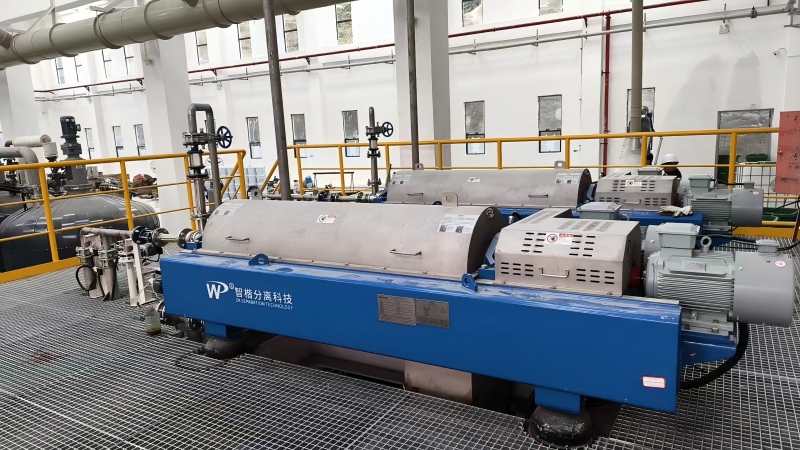
The facility installed two LWS450×1845CX three-phase decanter centrifuges to handle the food waste processing stream. The three-phase design allows simultaneous separation of the oil phase, water phase, and solid phase from the incoming slurry.
Process Role
The three-phase decanter centrifuges are installed in the oil recovery section. After screening and pre-treatment, the food waste slurry is fed to the units. The three-phase separation extracts the oil phase for downstream use, while water and solids are discharged separately for further handling.
Equipment Configuration
-
Three-Phase Separation Design
The LWS450×1845CX uses dual weir plates to separately discharge the heavy liquid phase (oil) and light liquid phase (water), while the scroll conveyor discharges solids at the opposite end
-
Dual Unit Installation
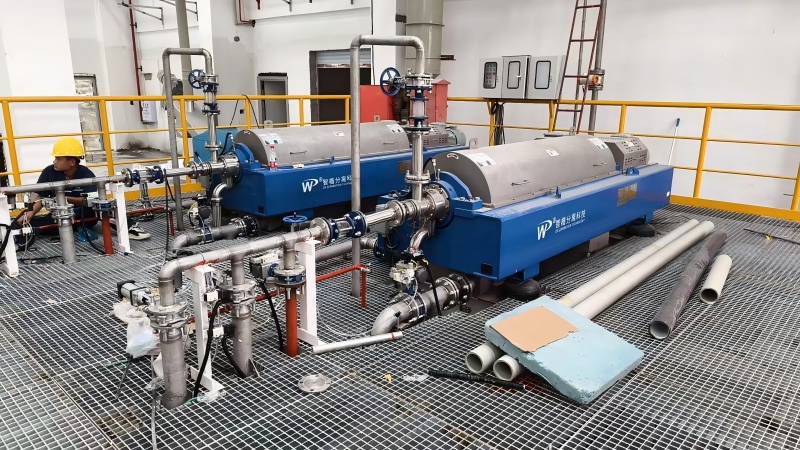
Two units operate in parallel to provide redundancy and handle peak processing volumes, with each unit processing the feed stream independently
-
Control and Monitoring
PLC-based control system allows operators to adjust differential speed and weir plate positions to optimize separation based on feed characteristics
Project Overview
- Customer Industry Environmental Technology
- Application Used Cooking Oil Recovery
- Material Source Collected Food Waste from Residential Areas
- Equipment Model LWS450×1845CX
- Number of Units 2
- On-Site Operating Throughput per Unit 12 m³/h
- Separation Type Three-Phase
- Recovered Oil Application Fuel / Biofertilizer
Installation and Operation
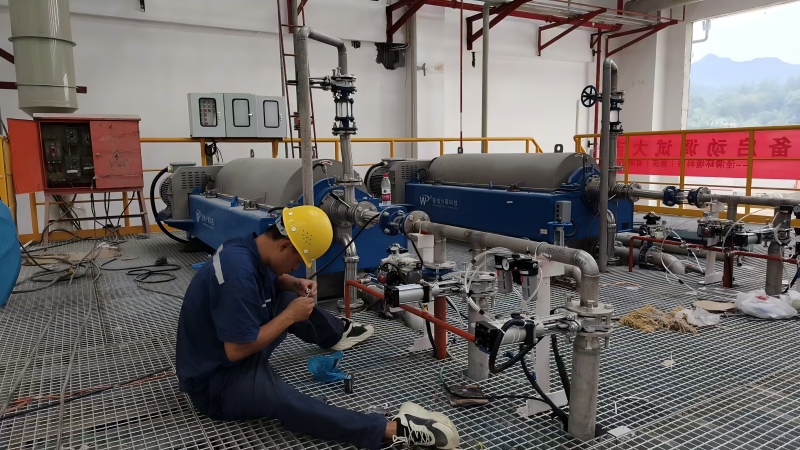
Two LWS450×1845CX three-phase decanter centrifuges are installed in the processing area. The units operate continuously during production hours, separating oil, water, and solids from the food waste slurry.
Performance & Results
- Processing Capacity: On-site operating throughput per unit: 12 m³/h
- Oil Recovery Stability: Three-phase separation maintains consistent oil recovery despite feed composition variations from different collection routes
- Continuous Operation: Dual-unit setup allows continuous processing; one unit can handle the load if the other is down for maintenance
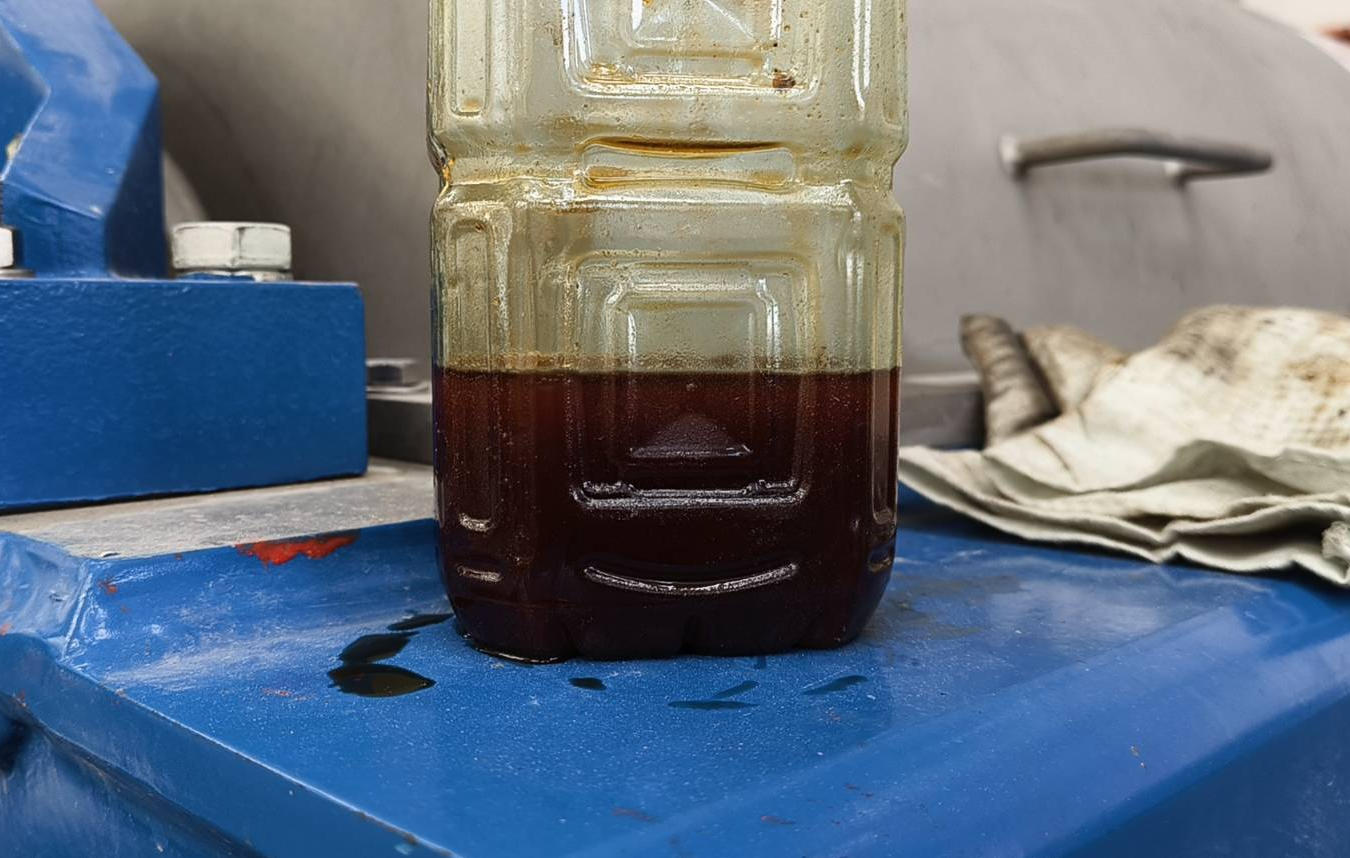
- Separation Quality: Recovered oil phase is adequately separated from water and solids, suitable for fuel or biofertilizer production
- Downstream Processing: Effective three-phase separation reduces the load on downstream equipment
- Maintenance: Equipment design supports regular cleaning procedures required for food waste processing
LWS450×1845CX Three-Phase Decanter Features
Three-Phase Separation
The LWS series three-phase design separates oil, water, and solids simultaneously. Dual weir plates allow independent adjustment of oil and water discharge positions to optimize recovery based on feed characteristics.
Wear Resistance
The equipment handles food waste containing foreign objects and abrasive particles. Wear-resistant materials and protective features extend component life in this application.
Operational Control
Variable differential speed control allows operators to adjust separation parameters when feed composition changes. This helps maintain consistent performance when processing food waste from different collection sources.
Continuous Operation
The decanter centrifuge operates continuously, matching the facility's requirement for uninterrupted processing of incoming food waste deliveries.