
Effective Cattle Manure Dewatering for Large-Scale Beef Farm Operations
LW650x2650C Decanter Centrifuge Delivers Reliable Performance for Sustainable Livestock Waste Management
Project Background
A commercial beef cattle farm housing approximately 1,500 head of cattle was facing significant challenges in managing the daily waste production of roughly 45-50 cubic meters of liquid manure. Their existing lagoon system and basic settling methods were creating storage capacity issues and making it difficult to meet increasingly strict environmental discharge standards.
Key Operational Challenges
- Lagoon system reaching capacity limits with odor concerns affecting neighboring properties
- Wet manure requiring 3-4x more truck trips for disposal, increasing transportation costs by approximately $15,000 annually
- State environmental agency requiring improved liquid discharge quality and reduced total suspended solids
- Labor shortage making manual waste management increasingly difficult and expensive
- Winter months creating additional challenges with freezing and variable manure consistency
- Equipment downtime during peak waste production periods causing backup and overflow issues
Technical Solution Implementation
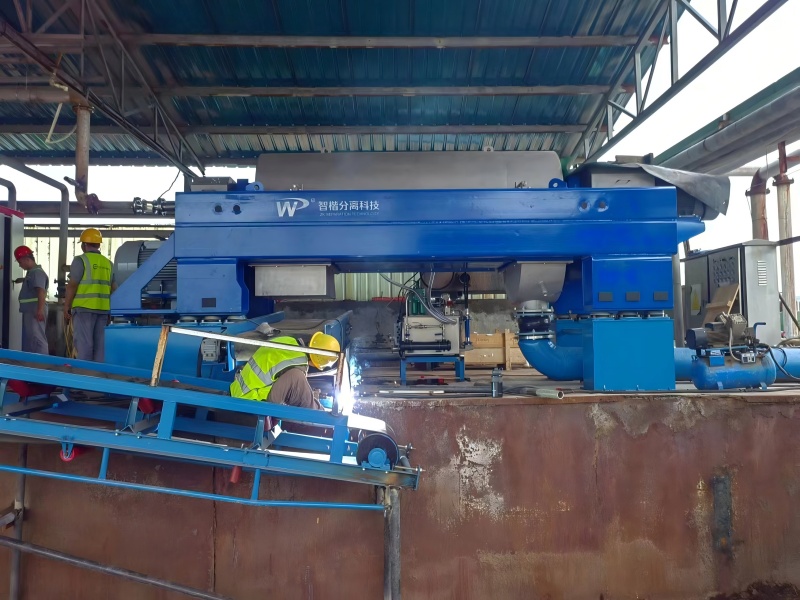
We spent time at the farm analyzing their waste streams and daily operations before recommending the LW650x2650C. This size gives them the throughput they need—handling their daily volume comfortably while leaving room for busier periods when cattle are confined more due to weather.
Equipment Technical Specifications
-
Material Construction & Corrosion Protection
Bowl assembly fabricated from duplex stainless steel (2205 grade) with enhanced chromium content for superior corrosion resistance. Conveyor flights feature tungsten carbide hard-facing on leading edges to withstand abrasive manure solids
-
Control System & Instrumentation
Siemens PLC control with 10" color HMI touchscreen, torque monitoring with automatic shutdown protection, vibration sensors on main bearings, and remote monitoring capability via Ethernet connection
-
Feed System Design
Accelerated inlet with adjustable feed pipe positioning, designed for 3-8% total solids content typical of diluted cattle manure. Includes polymer dosing port for flocculant addition when processing varies
-
Discharge Configuration
Adjustable solids discharge with variable beach length for cake dryness optimization, liquid overflow weir design for clear liquid separation, and wash water connections for equipment cleaning
Project Overview
- Customer Industry Beef Cattle Farm
- Equipment Model LW650x2650C
- Actual Processing Rate 40m³/h
- Maximum G-Force 2460G
- Operating Speed 2600 RPM
- Main Motor Power 90kW
- Auxiliary Motor Power 22kW
Processing Results and Performance
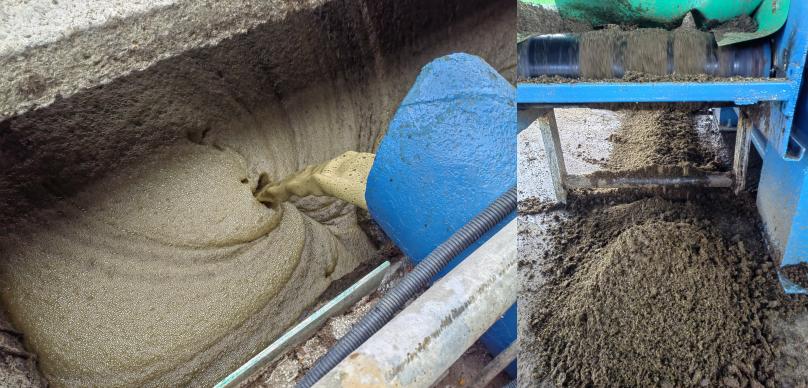
Since installation, the centrifuge has been running at about 40m³/h—right in the sweet spot for their operation. It handles the variations in manure consistency that come with different seasons and weather patterns without missing a beat.
Operational Performance Metrics
- Processing Throughput: Runs steadily at 40m³/h, well within its 30-90m³/h capacity range—gives them breathing room for peak periods
- Separation Efficiency: Captures about 85-90% of the solids, producing dewatered cake with 72-75% moisture content (25-28% dry solids)—much better than what they had before
- Liquid Phase Quality: The clarified liquid meets discharge standards and can be used for irrigation when conditions are right
- Equipment Reliability: Runs day in and day out with routine maintenance—no unexpected breakdowns that leave them scrambling
- Energy Performance: Power consumption of 2.8-3.2 kWh/m³ is reasonable for this size equipment—not breaking the bank on electricity
- Operational Flexibility: Can adjust speeds and settings to handle winter manure (thicker) versus summer conditions (more dilute)
Customer Feedback
"Installing this centrifuge was one of the better decisions we've made for the farm. We've cut our manure hauling trips by about 60%, which saves us roughly $12,000 a year in trucking costs alone. The neighbors have stopped complaining about odors since we're not storing as much wet manure in the lagoons. It runs pretty much on its own once you get it dialed in, which is important because we don't have extra labor to babysit equipment."
— Farm Operations Manager, Beef Cattle Farm
Technical Advantages for Agricultural Applications
Built for Farm Life
This machine is designed for the reality of farm operations—dust, moisture, temperature swings, and the corrosive nature of manure. It's built to keep working in conditions that would sideline lighter equipment.
Adapts to Conditions
Operators can dial in the speed and differential settings to match what they're processing—whether it's thick winter manure or the more diluted summer mix when cattle are on pasture more.
Maintenance Made Practical
The design lets farm staff handle routine maintenance without calling in specialists for every little thing. Parts that wear are accessible, and the machine tells you when attention is needed.
Environmental Benefits
Better separation produces cleaner liquid discharge, supporting responsible farm waste management and environmental stewardship practices.
Runs Itself Most Days
Once it's set up right, the machine mostly runs itself—important when farm labor is tight and you can't afford to have someone constantly watching equipment.
Pays for Itself
Drier solids mean fewer truck trips and lower disposal costs. Most farms see payback in 2-3 years just from reduced hauling expenses alone.