
Potato Starch Residue Dewatering for Starch Processing Plant
LW650x2650C Decanter Centrifuge Handles Residue Dewatering After Starch Extraction
Project Background
A potato starch processing facility extracts starch from fresh potatoes. Once the starch is extracted, the leftover residue—what's left after the starch is removed—needs dewatering before it can be disposed of or processed further. They needed equipment that could keep up with their production volume and deliver consistent dewatering results.
Customer Challenges
- The residue coming out of starch extraction is high in moisture, which makes handling and transport difficult
- Their production line generates about 18 cubic meters per hour of residue slurry during normal operation
- Residue properties change based on the potato variety they're processing and how the extraction is set up
- Their previous dewatering setup wasn't effective enough—the residue still had too much water in it
- They need equipment that runs continuously during production shifts without constant operator supervision
- The liquid that gets separated needs to be clear enough to go to their wastewater treatment or be reused in the process
ZK SEPARATION Solution
We tested samples of their potato residue and recommended the LW650x2650C two-phase decanter. This size gives them the capacity they need for their production volume, and the bowl and screw setup works well for residue dewatering.
Solution Implementation
-
Sample Testing & Parameter Setup
Lab testing of their residue samples to set the bowl speed, differential speed, and feed rate for their material properties
-
Equipment Setup
LW650x2650C two-phase decanter with bowl and screw configuration for residue dewatering, using stainless steel construction for food processing use
-
Control System
PLC control with touchscreen for operators to monitor performance and adjust settings, with alarms for vibration and overload conditions
-
Installation & Training
Installed during a scheduled production break, then performance testing and operator training on startup, operation, and maintenance
Project Overview
- Customer Industry Potato Starch Processing
- Application Potato Residue Dewatering
- Equipment Model LW650x2650C
- Processing Capacity 18 m³/h
- Bowl Diameter 650 mm
- Bowl Length 2650 mm
- Operating Speed 2800 RPM
- Centrifugal Force 2854G
- Main Motor Power 90 kW
- Auxiliary Motor Power 22 kW
Processing Results
The LW650x2650C has been running in their production line, handling the residue dewatering during normal production.
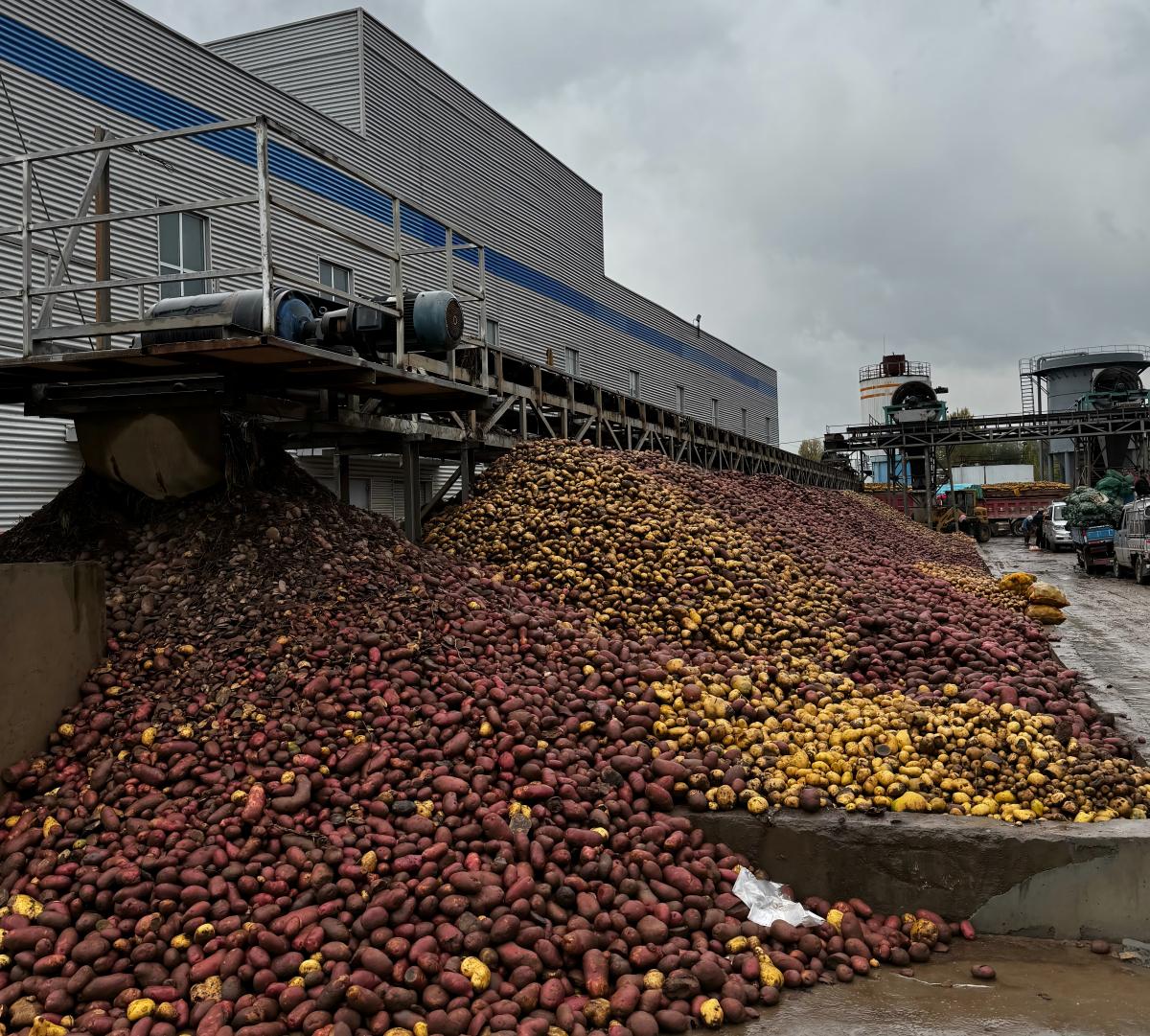
Process Demonstration
Performance Results
- Processing Capacity: Handles feed rates at 18 m³/h as required, maintaining steady throughput during production
- Residue Dewatering: The dewatered residue cake has lower moisture content, which makes it easier to handle and transport for disposal or further processing
- Liquid Separation: The separated liquid is clear with low solids carryover, suitable for their wastewater treatment or process recirculation
- Operational Stability: Runs continuously during production shifts with routine checks by operators, showing stable performance
- Material Handling: Dewatered residue discharges consistently, matching their downstream handling needs
- Maintenance: Standard maintenance procedures, with accessible components for scheduled service and wear part replacement
Customer Feedback
"The LW650x2650C handles our potato residue dewatering well. It processes the volume we need at 18 cubic meters per hour, and the dewatered residue is much easier to handle than before. The separated liquid is clear enough for our wastewater system. The equipment runs reliably during our production shifts, and the operators find it straightforward to operate. It does what we bought it for."
— Production Manager, Potato Starch Processing Plant
ZK SEPARATION Technical Advantages
High-Capacity Design
The LW650x2650C is built for high-throughput applications. The 650mm bowl diameter and 2650mm length give enough volume capacity and residence time for effective residue dewatering.
Bowl Configuration
The bowl geometry and screw design are set up for residue dewatering, giving enough residence time for water removal while keeping solids discharge efficient.
Drive System
Main motor drives the bowl at 2800 RPM, generating 2854G centrifugal force. The back-drive controls differential speed for proper cake conveyance and discharge.
Process Control
Operators can adjust differential speed and monitor torque from the control panel, allowing adjustments for different residue characteristics or production needs.
Equipment Reliability
Built for continuous operation in production environments, with solid construction and protection systems for vibration and overload conditions.
Operational Efficiency
Automated operation reduces operator attention needed, and the dewatering process lowers moisture in the residue, which improves downstream handling efficiency.