
How Olive Oil Mills Use Centrifugal Separation
In a modern olive oil mill, centrifugal separation is normally used after olives have been washed, crushed and malaxed into paste under controlled temperature and residence time. The decanter separates the olive paste continuously, while downstream polishing equipment removes fine particles and residual moisture before storage or bottling.
The following sections outline the production flow, key operating choices and typical mill challenges. For equipment specifications, model selection and line configuration, review the olive oil centrifuge system.
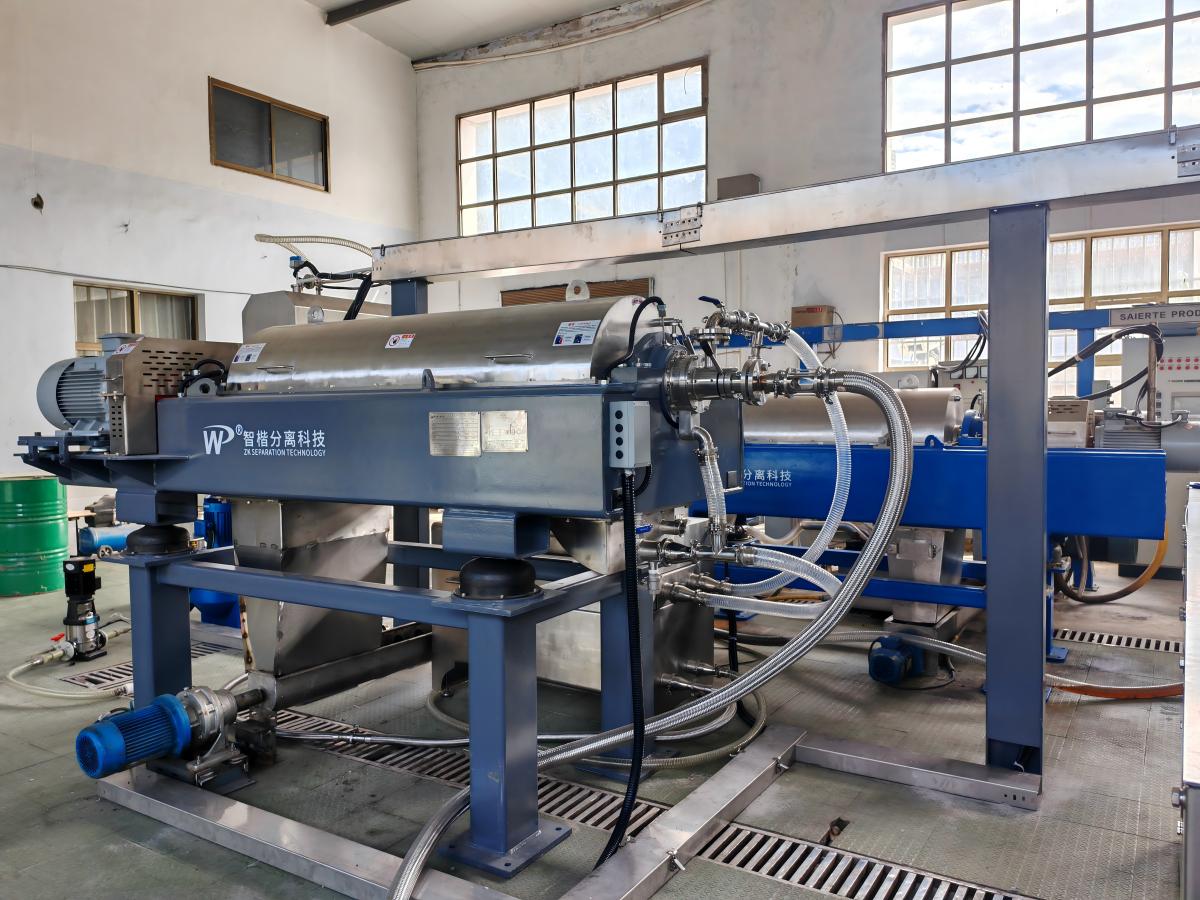
Typical Olive Oil Extraction Workflow
- Fruit reception and cleaning: Fresh olives are received, leaves and stems are removed, and the fruit is washed before processing to reduce impurity load.
- Crushing: Clean olives are crushed into paste so oil droplets can be released from the fruit cells.
- Malaxation: The paste is mixed under controlled temperature and residence time, usually around 22-28°C for low-temperature extraction and adjusted according to olive variety, maturity and oil quality target.
- Decanter separation: In a 2-phase process, the decanter separates olive paste into an oil-rich liquid phase and wet pomace. In a 3-phase process, added dilution water helps split the paste into oil, vegetation water and pomace.
- Oil polishing: Disc stack polishing or fine separation removes residual water and solids to produce cleaner olive oil for storage.
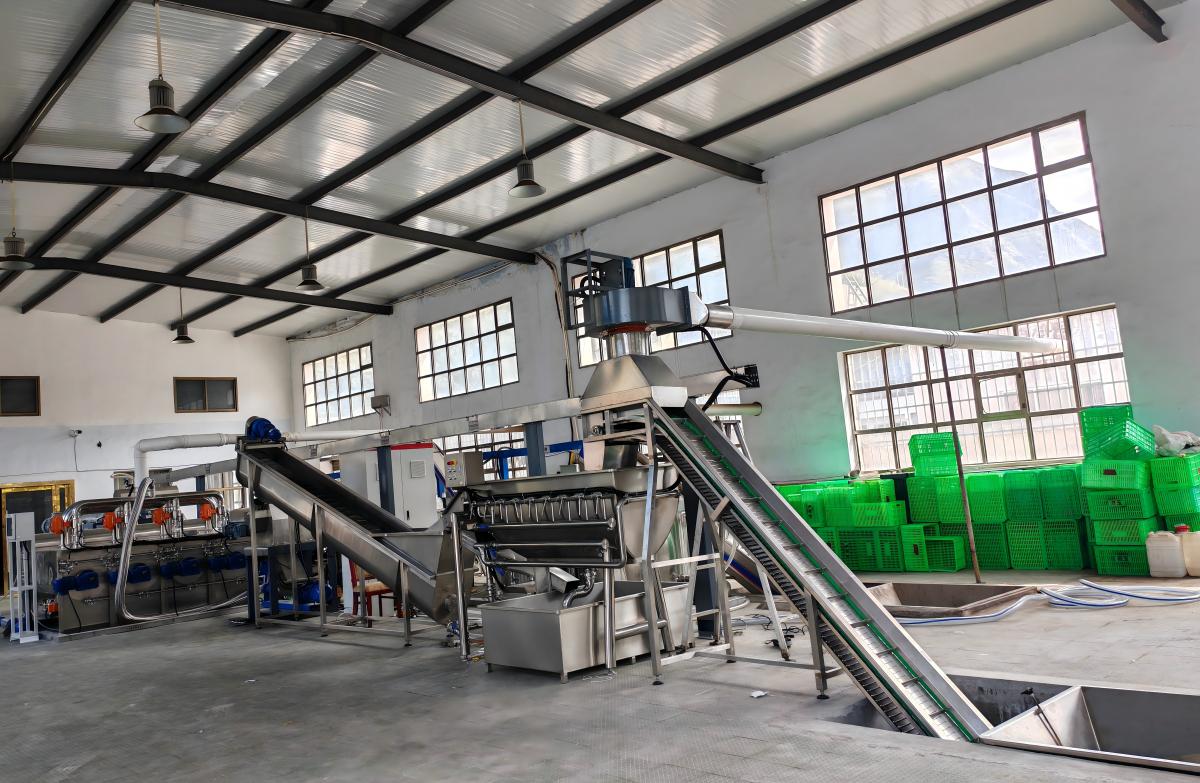
For a complete production line with washer, crusher, malaxer, decanter and polishing equipment, see ZK's commercial olive oil extraction system.
2-Phase vs 3-Phase Extraction: What Should a Mill Choose?
2-phase extraction is often selected when a mill wants to reduce added water, lower wastewater volume and simplify effluent management. When the process is properly controlled, reducing dilution can also help protect phenolic compounds and flavor quality.
3-phase extraction separates oil, vegetation water and pomace into clearer streams by adding process water. It can be easier to operate with certain olive varieties, harvest seasons and moisture conditions, especially where traditional full separation is preferred.
The best choice depends on fruit moisture, target oil quality, local discharge rules, required throughput and downstream pomace handling. ZK engineers can size the olive oil centrifuge system based on your daily processing capacity and production goals.
Key Process Parameters for Olive Oil Mills
A reliable olive oil extraction line is not selected only by hourly capacity. The feed condition, process target and cleaning requirements all influence decanter sizing, control settings and downstream polishing design.
Data to Confirm Before Equipment Selection
Daily olive input: fresh fruit volume per day and required operating hours during the harvest season.
Olive condition: variety, maturity, average moisture, pit content and paste viscosity after crushing.
Malaxation target: typical paste temperature, residence time and whether the mill requires low-temperature extraction.
Separation target: 2-phase or 3-phase operation, expected pomace moisture, oil moisture and residual solids requirement.
Automation and hygiene: CIP cleaning, enclosed product contact areas, stainless steel material and operator control requirements.
Information Needed for System Sizing
With these process parameters, ZK engineers can recommend the appropriate olive oil centrifuge system, including decanter size, polishing stage and automation configuration.
Common Process Challenges in Olive Oil Mills
Yield Loss
Incorrect malaxation, unstable feed and poor separation settings can leave valuable oil in pomace or wastewater.
Water and Pomace Management
Process design affects wastewater volume, pomace moisture and disposal cost, especially when choosing between 2-phase and 3-phase extraction.
Seasonal Capacity Peaks
Harvest season creates short, intense processing windows, so equipment must support stable continuous operation and easy cleaning.
Food-Grade Operation
Contact materials, enclosed transfer, CIP cleaning and hygienic structure are important for reliable oil quality and safe production.
Need to match process design with real fruit conditions? Review the olive oil centrifuge system specifications or contact our engineering team for sizing support.
Why Choose ZK SEPARATION ?
As a professional manufacturer of liquid and solids separation equipment, ZK SEPARATION is committed to providing our customers with products of the highest quality, safety and best performance. We are certified to ISO 9001, ISO 28001, ISO 14001, CE, EAC, DNV, GOST-R and other international standards.
-
Annual Equipment Sales
400 -
Patents
60 -
Industry Coverage
20 -
Partners
150