
What is Slurry Separation?
Slurry separation, as the name suggests, is the process of effectively separating the solid particles and the liquid portion of a mud by mechanical, physical, or chemical means. Mud is usually a mixture of water and solid particles, and the purpose of separation is to recover useful liquids and solids and reduce waste generation.

Applications of Slurry Separation Technology
Responsible handling and disposal of tailings are critical concerns for the mining industry. Decanter centrifuges are increasingly employed for dewatering tailings slurries, transforming them into compact, stackable cakes with low moisture content. This not only reduces the footprint and maintenance costs associated with tailings storage facilities but also minimizes the risk of environmental contamination due to seepage. Additionally, dry tailings can sometimes be valorized, reused in mine backfilling, or utilized in other industrial applications, fostering a circular economy approach.
Oil and Gas Industry
During oil drilling, large quantities of drilling fluid (i.e., mud) are injected into the wellbore to cool the drill bit, stabilize the well wall, and bring out drill cuttings. After the drilling fluid passes through separation equipment, the drill cuttings are separated out and the liquid portion is recycled. This not only saves costs, but also reduces environmental pollution.

Mining Industry
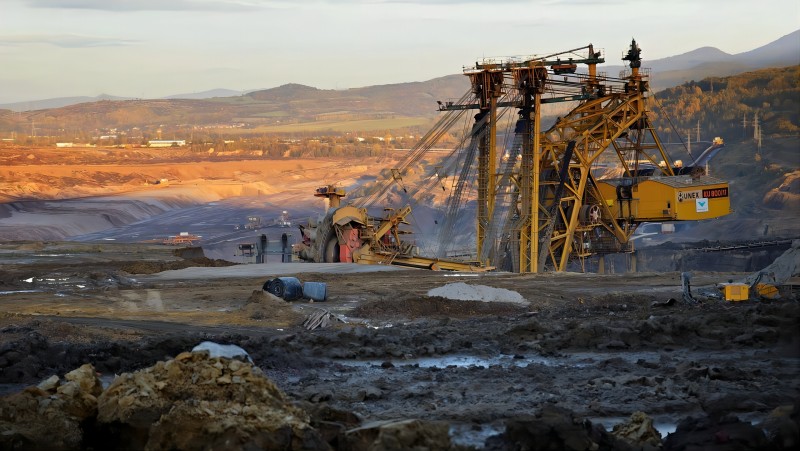
Slurry separation is used in the mining process to separate valuable minerals from the ore. This process plays an important role in improving resource utilization and reducing tailings disposal costs.
Construction
Slurry separation technology is used to treat slurry and wastewater in construction projects, especially during tunneling and foundation construction, to ensure a clean and safe construction site.
Advantages of Slurry Separation Technology
Improving Resource Utilization
Through slurry separation, liquid and solid resources can be recovered and reused, reducing raw material waste and purchasing costs.
Reducing Environmental Pollution
Effective slurry separation reduces waste emissions and pollution of soil and water resources and meets modern environmental requirements.
Improving Production Efficiency
Production processes can be accelerated, and interruptions due to improper slurry handling can be avoided through fast and effective slurry treatment.
Conclusion
Mud separation technology, as an indispensable part of modern industry, is continuously evolving with technological advancements. In the future, with increasingly stringent environmental regulations and ongoing improvements in resource utilization efficiency, mud separation technology will be widely applied in more fields, providing strong support for the sustainable development of various industries.