English Dropdown Arrow
Ελληνικά
Español
Português
Italiano
Deutsch
Français
Русский
Indonesia
Tiếng Việt

Match the Dewatering Strategy to the Sludge Source

Sludge dewatering is not a single operating condition. Feed solids, fiber content, oil and grease, abrasive particles, pH, polymer response and target cake dryness all influence process design. These application notes help buyers compare common sludge dewatering conditions before moving into equipment sizing.

For machine configuration, model range, cake dryness expectations and detailed design features, review the equipment specifications after confirming your sludge conditions.

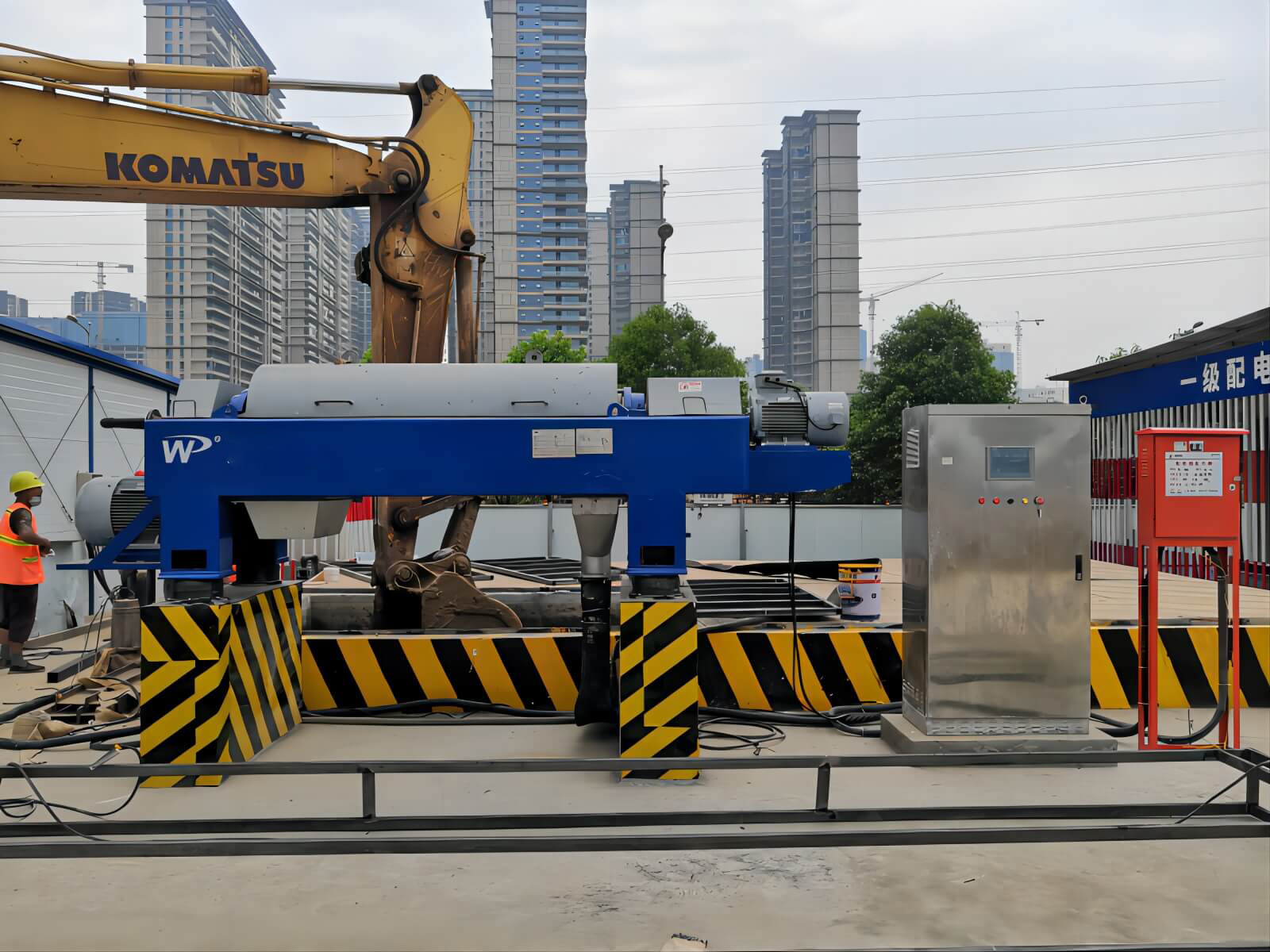
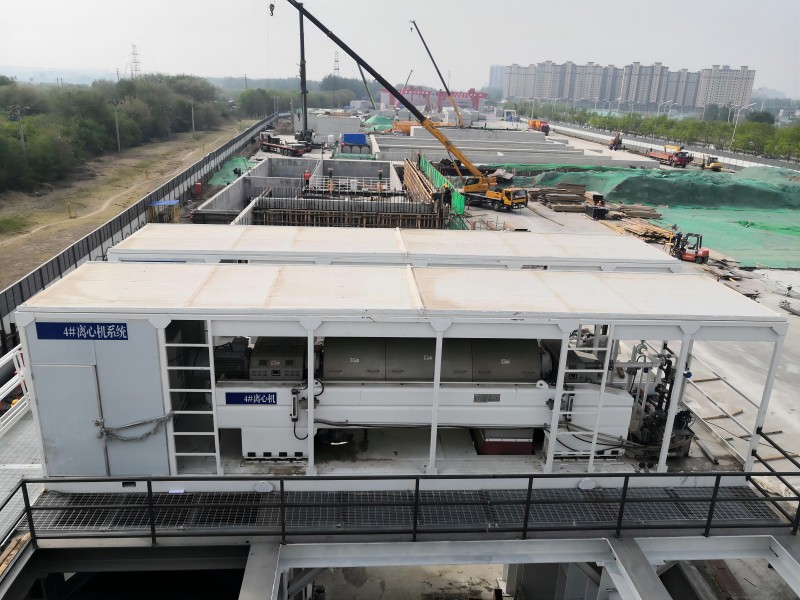
  • Municipal sludge dewatering project
  • Industrial wastewater sludge dewatering
  • High solids slurry dewatering application
Review Equipment Specifications

Sludge Dewatering Applications Covered

Sludge characteristics vary by source, treatment process and disposal requirements. Explore the application areas below to understand common dewatering challenges, key process considerations and the information typically needed for technical evaluation.

Municipal Sewage Sludge

For wastewater treatment plants handling primary sludge, secondary sludge, digested sludge or mixed biosolids. Key concerns include polymer consumption, cake dryness, centrate clarity and disposal cost.

Explore Municipal Sludge Dewatering

Industrial Wastewater Sludge

For process sludge from manufacturing, chemical, textile, metal finishing and other industrial wastewater systems where feed composition can change by production batch.

Explore Industrial Wastewater Sludge

Pulp and Paper Sludge

For fiber-rich paper mill sludge and effluent solids. The process must handle variable fibers, ash and filler content, suspended solids, possible fiber recovery goals and water reuse requirements.

Explore Paper Mill Sludge Dewatering

Paint Booth Sludge

For paint overspray sludge and water-wash booth residues containing pigments, resin, solvents or sticky solids that may require pH adjustment, viscosity reduction and flocculation before dewatering.

Explore Paint Sludge Dewatering

Food Processing Sludge

For organic wastewater sludge and process residues from food production, kitchen waste, beverage, starch or protein-related systems, where odor control, hygiene and by-product handling need to be reviewed separately.

Explore Food Processing Sludge

Key Data to Confirm Before Equipment Selection

Feed Sludge

Sludge source, daily volume, flow variation, inlet solids concentration, particle size, fiber content, oil and grease, pH and temperature.

Dewatering Target

Target cake dryness, required solids recovery, centrate clarity, disposal route, odor control and whether thickening or dewatering is the main objective. Municipal sludge often targets about 18-25% DS, while industrial, paper and food sludge should be confirmed by testing.

Conditioning

Current polymer type and dosage, jar test results, floc strength, flocculation response, upstream tank mixing and sensitivity to shear before entering the dewatering stage.

Site Requirements

Available footprint, automation level, operating hours, wash water, power supply, corrosion or abrasion risk and maintenance access.

After confirming these process parameters, review the centrifuge sizing and model selection page for equipment features, capacity matching and quotation support.

Why Choose ZK SEPARATION ?

As a professional manufacturer of liquid and solids separation equipment, ZK SEPARATION is committed to providing our customers with products of the highest quality, safety and best performance. We are certified to ISO 9001, ISO 28001, ISO 14001, CE, EAC, DNV, GOST-R and other international standards.

  • Annual Equipment Sales
    400
  • Patents
    60
  • Industry Coverage
    20
  • Partners
    150

Now Let Our Technical Experts Provide You with Professional Solutions for Free!

Contact Now
ZK SEPARATION - Decanter Centrifuge Manufacturer